

language
English
العربية
বাংলাদেশ
Български
Hrvatski
Česky
Dansk
Nederland
 Esperanto
Slovenski
Filipino
Suomi
Français
Maori
 Shqiptare
Georgian
 Euskara
Deutsch
Ελλάδα
ישראל
इंडिया
Magyarország
Ísland
Indonesia
Irlanda
Italia
日本語
Sovensko
Հայաստան
한국
Kyrgyz
ປະເທດລາວ
 Zulu
Zulu
Latvian
Lithuanian
Luxembourgish
 Latinus
Macedonian
Малайская
Maltese
Монгол улс
 Cymraeg
ဗမာ
 தமிழ்
தமிழ்
नेपाल
Norge
ایران
Polska
Portugal
România
Российская
Србија
 Slovak
Србија
 Slovak
Bosanski
Slovenian
Беларус
España
Sverige
Точик
ประเทศไทย
Türk
Azərbaycan
Uzbek
 Afrikaans
Việt Nam

NEWS
Guangdong Claudy Sanitary Ware Technology Co.,Ltd.
The Future of Hygiene: Exploring the Benefits of Sensor Faucets
Time:
2024-10-21
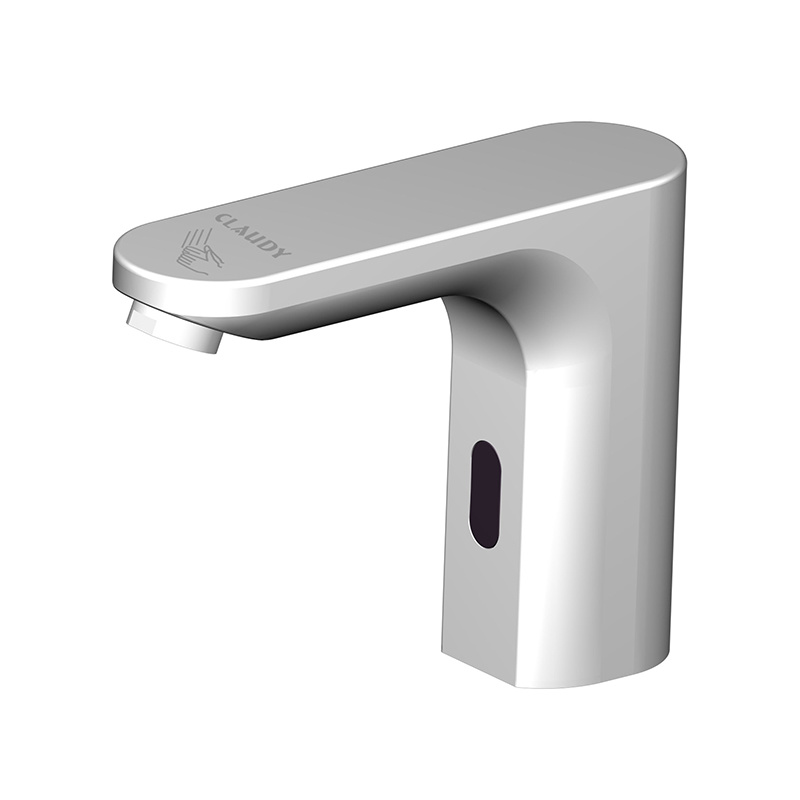
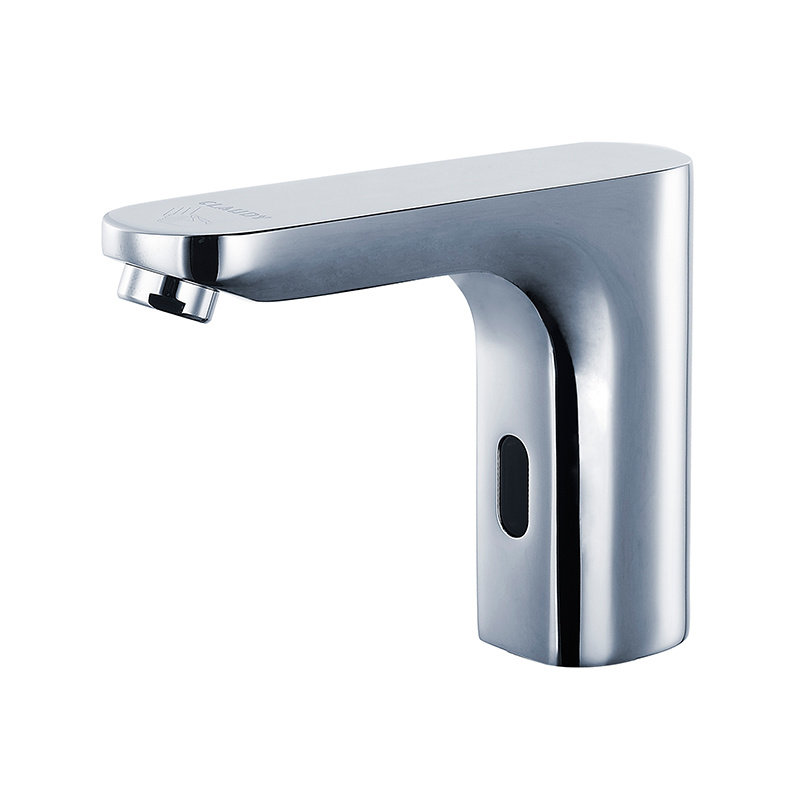
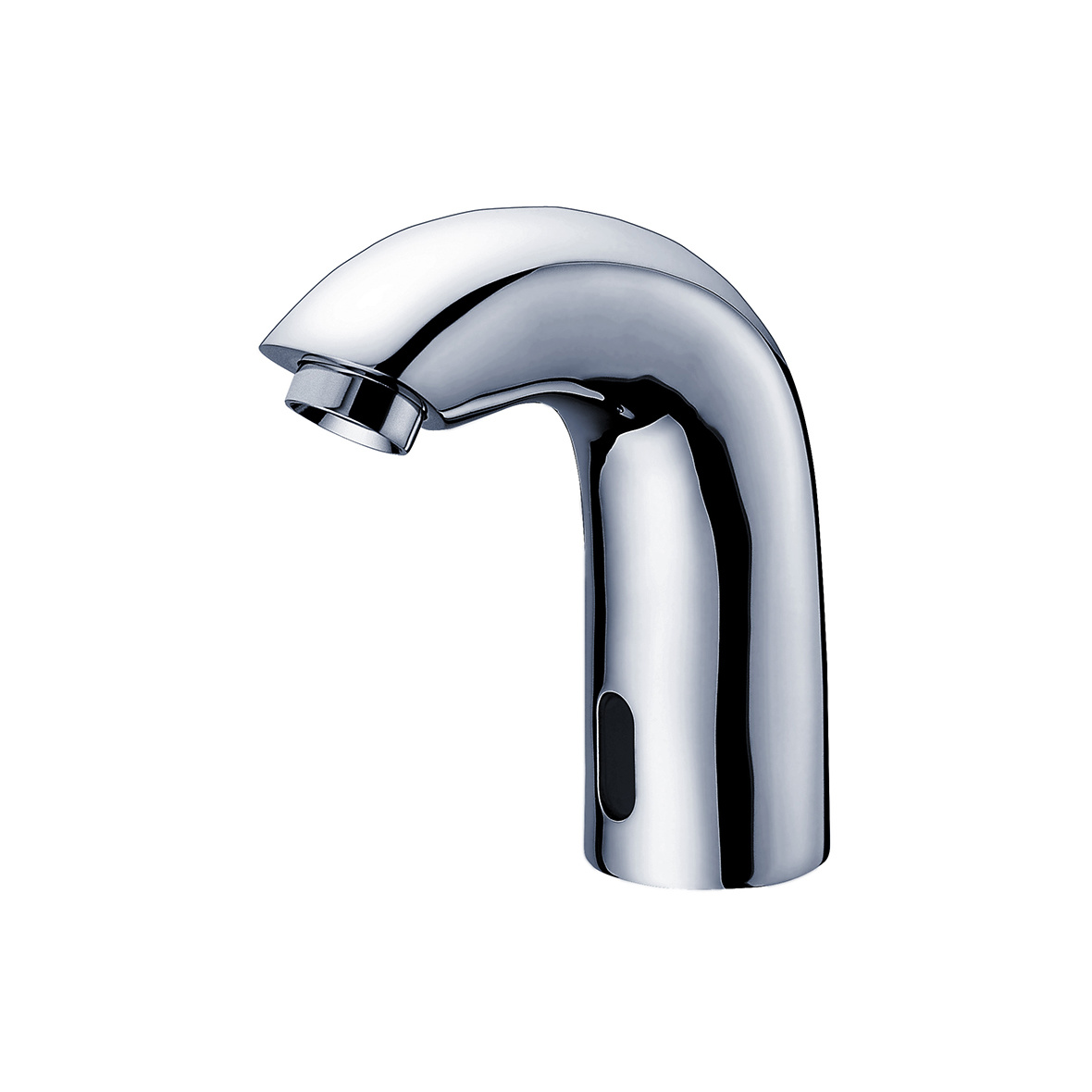
In recent years, the rise of smart technology has significantly impacted various industries, including consumer electronics. One of the most innovative advancements is the sensor faucet, also known as touchless faucets. These devices use motion sensors to detect hand movement, activating the water flow without physical contact. This technology not only enhances convenience but also promotes better hygiene practices.
The primary benefit of sensor faucets is their ability to minimize the spread of germs and bacteria. Traditional faucets often require users to turn knobs or handles, which can be breeding grounds for pathogens. In contrast, sensor faucets operate entirely without touch, reducing the risk of cross-contamination. This feature is particularly beneficial in public restrooms and high-traffic areas where cleanliness is paramount.
Another significant advantage of sensor faucets is their water-saving capabilities. Many models are designed to automatically shut off the water flow after a specific duration, which helps conserve water and reduce utility bills. This feature aligns with the growing emphasis on sustainability and responsible water usage in today's eco-conscious society. By incorporating sensor faucets into your bathroom or kitchen, you can contribute to water conservation efforts while enjoying a modern and efficient fixture.
Moreover, sensor faucets are often easier to use for individuals with mobility challenges. The hands-free operation is a game-changer for elderly users or those with disabilities, allowing them to wash their hands without struggling with traditional handles. This inclusivity aspect highlights the importance of designing products that cater to diverse needs.
When it comes to installation and maintenance, sensor faucets are generally user-friendly. Many models can be easily installed on existing plumbing without the need for extensive modifications. Additionally, the technology used in these faucets is continuously evolving, with many brands incorporating advanced features such as adjustable settings for water temperature and flow rate. Such innovations not only enhance functionality but also allow users to tailor their experience to personal preferences.
In conclusion, sensor faucets represent a significant advancement in bathroom technology, combining convenience, hygiene, and sustainability. As we continue to embrace smart devices in our daily lives, these touchless fixtures stand out as essential components of modern home design. With their ability to improve cleanliness and efficiency, sensor faucets are paving the way for a healthier, more eco-friendly future in our homes and public spaces. Consider implementing this technology in your bathroom or kitchen to experience the myriad benefits they offer firsthand.
The primary benefit of sensor faucets is their ability to minimize the spread of germs and bacteria. Traditional faucets often require users to turn knobs or handles, which can be breeding grounds for pathogens. In contrast, sensor faucets operate entirely without touch, reducing the risk of cross-contamination. This feature is particularly beneficial in public restrooms and high-traffic areas where cleanliness is paramount.
Another significant advantage of sensor faucets is their water-saving capabilities. Many models are designed to automatically shut off the water flow after a specific duration, which helps conserve water and reduce utility bills. This feature aligns with the growing emphasis on sustainability and responsible water usage in today's eco-conscious society. By incorporating sensor faucets into your bathroom or kitchen, you can contribute to water conservation efforts while enjoying a modern and efficient fixture.
Moreover, sensor faucets are often easier to use for individuals with mobility challenges. The hands-free operation is a game-changer for elderly users or those with disabilities, allowing them to wash their hands without struggling with traditional handles. This inclusivity aspect highlights the importance of designing products that cater to diverse needs.
When it comes to installation and maintenance, sensor faucets are generally user-friendly. Many models can be easily installed on existing plumbing without the need for extensive modifications. Additionally, the technology used in these faucets is continuously evolving, with many brands incorporating advanced features such as adjustable settings for water temperature and flow rate. Such innovations not only enhance functionality but also allow users to tailor their experience to personal preferences.
In conclusion, sensor faucets represent a significant advancement in bathroom technology, combining convenience, hygiene, and sustainability. As we continue to embrace smart devices in our daily lives, these touchless fixtures stand out as essential components of modern home design. With their ability to improve cleanliness and efficiency, sensor faucets are paving the way for a healthier, more eco-friendly future in our homes and public spaces. Consider implementing this technology in your bathroom or kitchen to experience the myriad benefits they offer firsthand.
LATEST INFORMATION

-
Email: info@claudy.com.cn
-
Wechat/WhatSapp: 13822778836
Add:No. 5, Taihong Middle Road, Shengfeng Industrial Zone, Xiaolan Town, Zhongshan City
MESSAGES