

language
English
العربية
বাংলাদেশ
Български
Hrvatski
Česky
Dansk
Nederland
 Esperanto
Slovenski
Filipino
Suomi
Français
Maori
 Shqiptare
Georgian
 Euskara
Deutsch
Ελλάδα
ישראל
इंडिया
Magyarország
Ísland
Indonesia
Irlanda
Italia
日本語
Sovensko
Հայաստան
한국
Kyrgyz
ປະເທດລາວ
 Zulu
Zulu
Latvian
Lithuanian
Luxembourgish
 Latinus
Macedonian
Малайская
Maltese
Монгол улс
 Cymraeg
ဗမာ
 தமிழ்
தமிழ்
नेपाल
Norge
ایران
Polska
Portugal
România
Российская
Србија
 Slovak
Србија
 Slovak
Bosanski
Slovenian
Беларус
España
Sverige
Точик
ประเทศไทย
Türk
Azərbaycan
Uzbek
 Afrikaans
Việt Nam

NEWS
Guangdong Claudy Sanitary Ware Technology Co.,Ltd.
The Future of Hygiene: Discovering Basin Sensor Faucets
Time:
2024-10-06
The Future of Hygiene: Discovering Basin Sensor Faucets
Table of Contents
- 1. Introduction to Basin Sensor Faucets
- 2. What Are Basin Sensor Faucets?
- 3. How Do Basin Sensor Faucets Work?
- 4. Advantages of Basin Sensor Faucets
- 5. Hygiene Implications of Sensor Faucets
- 6. Environmental Impact of Basin Sensor Faucets
- 7. Installation and Maintenance of Sensor Faucets
- 8. Future Developments in Basin Sensor Faucet Technology
- 9. Frequently Asked Questions
- 10. Conclusion
1. Introduction to Basin Sensor Faucets
In recent years, public health and hygiene have become paramount, particularly in the wake of global health crises. As we seek solutions that enhance cleanliness and convenience, **basin sensor faucets** have emerged as a pivotal innovation in the realm of **consumer electronics** and **bathroom appliances**. These devices not only provide an efficient means of water delivery but also contribute significantly to improved hygiene standards in both residential and commercial settings.
2. What Are Basin Sensor Faucets?
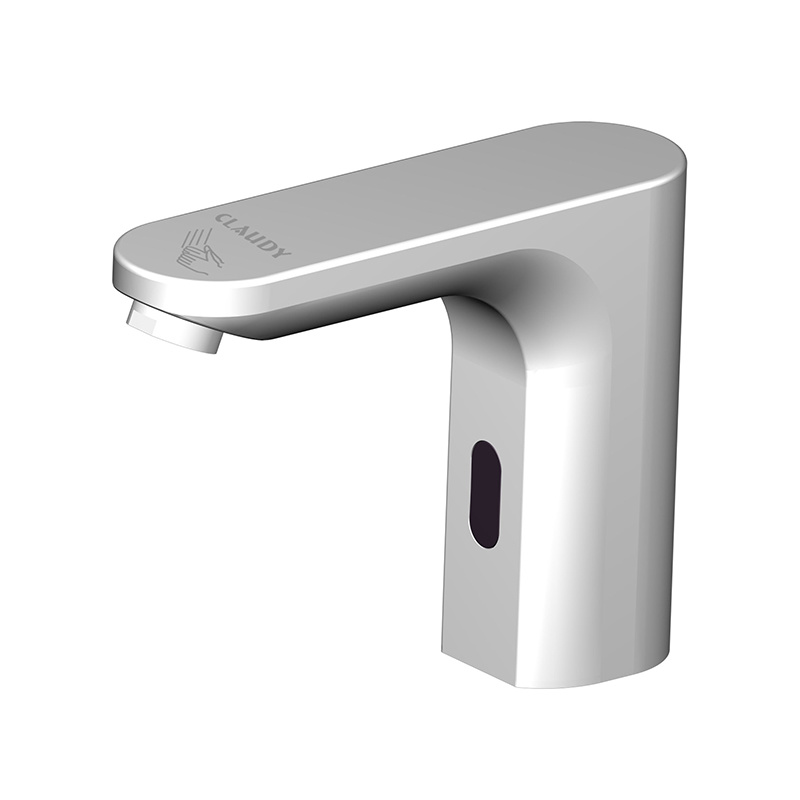
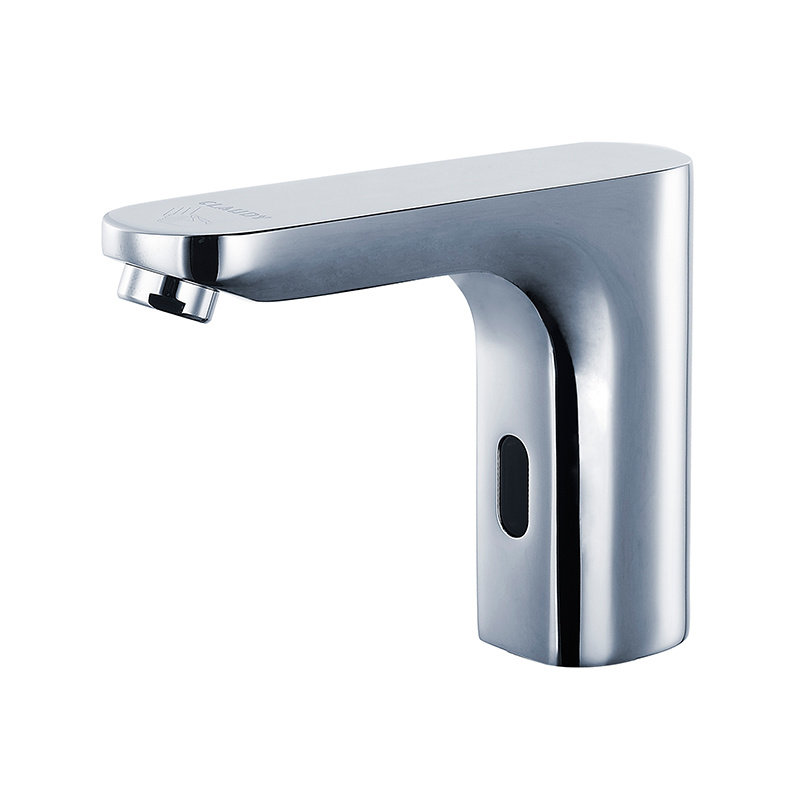
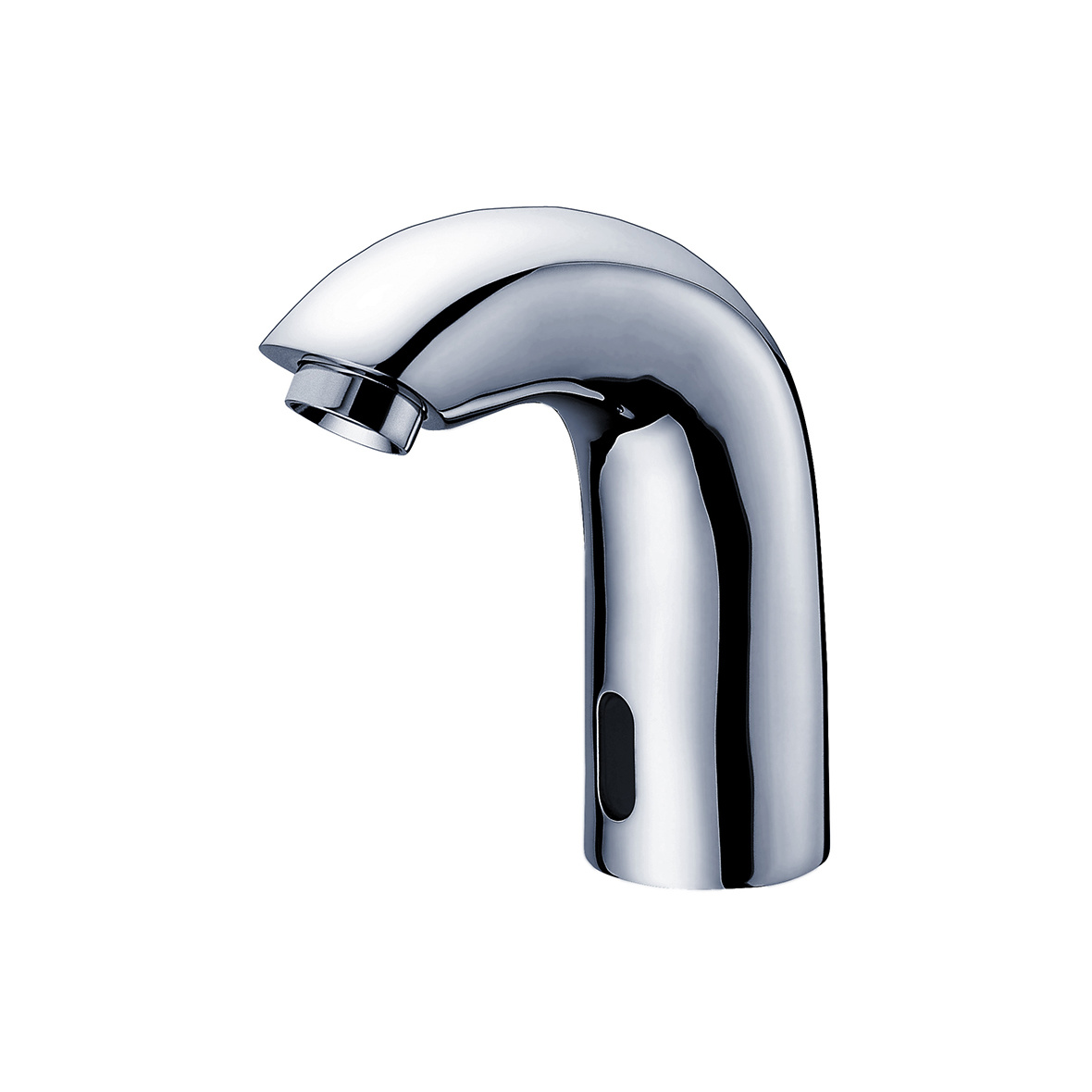
Basin sensor faucets are advanced fixtures equipped with motion-sensing technology that controls the flow of water automatically. Unlike traditional faucets, which require manual operation, basin sensor faucets detect the presence of hands and activate the water flow accordingly. This touchless operation minimizes contact with the faucet, thereby reducing the likelihood of germ transmission.
Types of Basin Sensor Faucets
There are primarily two types of basin sensor faucets: **infrared and capacitive**. Infrared faucets use infrared sensors to detect movement, whereas capacitive faucets utilize touch-sensitive technology. Each type offers unique features that cater to various user preferences and environments.
3. How Do Basin Sensor Faucets Work?
The functionality of basin sensor faucets relies on sophisticated technology. When a user places their hands near the faucet, the infrared sensor detects the movement and triggers the valve to open, allowing water to flow. Once the hands move away, the sensor signals the valve to close, stopping the water flow.
Components of Basin Sensor Faucets
Key components of basin sensor faucets include:
- **Infrared sensor**: The primary component responsible for detecting hand movement.
- **Solenoid valve**: Controls the water flow based on sensor input.
- **Power source**: Typically powered by batteries or connected to the electrical grid.
- **Body and spout**: The physical structure of the faucet that dispenses water.
4. Advantages of Basin Sensor Faucets
Basin sensor faucets offer numerous advantages that enhance user experience and promote hygiene. Some of the most significant benefits include:
Enhanced Hygiene
The touchless operation reduces the risk of cross-contamination, making these faucets ideal for environments where cleanliness is critical, such as hospitals, restaurants, and schools.
Water Conservation
Sensor faucets are designed to conserve water by automatically shutting off after a preset duration. This feature not only saves water but also reduces utility costs.
Ease of Use
With their intuitive operation, basin sensor faucets are user-friendly, accommodating individuals of all ages and abilities, including those with physical limitations.
Aesthetic Appeal
Available in various designs and finishes, basin sensor faucets can enhance the aesthetic appeal of any bathroom or kitchen, combining functionality with style.
5. Hygiene Implications of Sensor Faucets
In the ongoing effort to promote better hygiene practices, basin sensor faucets play a vital role. The ability to wash hands without touching potentially contaminated surfaces significantly lowers the risk of spreading germs. This is particularly crucial in public restrooms, where high foot traffic increases the potential for germ transmission.
Supporting Public Health Initiatives
As societies become more health-conscious, the adoption of basin sensor faucets aligns with public health initiatives aimed at controlling the spread of infectious diseases. Their implementation in high-traffic areas serves as a proactive measure to enhance overall community hygiene standards.
6. Environmental Impact of Basin Sensor Faucets
Basin sensor faucets not only contribute to improved hygiene but also have a positive impact on the environment. By conserving water and reducing waste, these fixtures align with sustainable practices and help combat global water scarcity.
Energy Efficiency
Many modern sensor faucets are designed with energy-efficient technologies that minimize electricity consumption. This not only reduces carbon footprints but also leads to cost savings for users.
7. Installation and Maintenance of Sensor Faucets
Installing basin sensor faucets can vary in complexity, depending on the model and existing plumbing setups. Here’s a brief overview of the installation and maintenance process:
Installation Process
1. **Select the Location**: Choose an appropriate location for the faucet, considering water accessibility and user convenience.
2. **Prepare the Plumbing**: Ensure that water supply lines are accessible and compatible with the new faucet.
3. **Secure the Faucet**: Follow the manufacturer’s instructions to securely mount the faucet.
4. **Connect the Power Source**: If required, connect the faucet to an electrical outlet or insert batteries as needed.
Maintenance Tips
To ensure optimal performance, regular maintenance is essential. Here are some tips:
- **Clean the Sensor**: Regularly clean the sensor area to prevent dust and grime buildup.
- **Check for Leaks**: Periodically inspect connections for leaks and ensure that all components are functioning properly.
- **Replace Batteries**: If powered by batteries, replace them as needed to prevent operational disruptions.
8. Future Developments in Basin Sensor Faucet Technology
The future of basin sensor faucets looks promising, with ongoing advancements in technology. We can expect to see innovations such as smart faucets that integrate with home automation systems, allowing users to customize water flow and temperature settings through mobile apps.
Integration with IoT Devices
As homes become smarter, the integration of basin sensor faucets with the Internet of Things (IoT) will enhance user experience. These devices can provide valuable data on water usage patterns, helping users optimize their consumption.
9. Frequently Asked Questions
What is the average lifespan of a basin sensor faucet?
Basin sensor faucets typically have a lifespan of 5 to 10 years, depending on usage and maintenance.
Are basin sensor faucets easy to install?
While installation can vary by model, most basin sensor faucets come with detailed instructions, making them relatively easy to install for DIY enthusiasts.
Do basin sensor faucets require a power source?
Yes, most basin sensor faucets require a power source, which can be either batteries or an electrical outlet.
Can I use basin sensor faucets in my home bathroom?
Absolutely! Basin sensor faucets are perfect for home bathrooms, adding both convenience and improved hygiene.
What maintenance do basin sensor faucets require?
Regular cleaning of the sensor, checking for leaks, and replacing batteries (if applicable) are key maintenance tasks.
10. Conclusion
Basin sensor faucets are revolutionizing the way we think about hygiene and convenience in our daily lives. With their touchless operation, they not only promote better hygiene practices but also contribute to water conservation and environmental sustainability. As we look to the future, the integration of advanced technologies in these faucets promises to enhance user experience further and align with modern health and environmental standards. The shift towards basin sensor faucets marks a significant step in our journey towards a cleaner, more efficient future in hygiene. Embracing this innovative technology can lead to healthier environments in both our homes and public spaces.
LATEST INFORMATION

-
Email: info@claudy.com.cn
-
Wechat/WhatSapp: 13822778836
Add:No. 5, Taihong Middle Road, Shengfeng Industrial Zone, Xiaolan Town, Zhongshan City
MESSAGES