

language
English
العربية
বাংলাদেশ
Български
Hrvatski
Česky
Dansk
Nederland
 Esperanto
Slovenski
Filipino
Suomi
Français
Maori
 Shqiptare
Georgian
 Euskara
Deutsch
Ελλάδα
ישראל
इंडिया
Magyarország
Ísland
Indonesia
Irlanda
Italia
日本語
Sovensko
Հայաստան
한국
Kyrgyz
ປະເທດລາວ
 Zulu
Zulu
Latvian
Lithuanian
Luxembourgish
 Latinus
Macedonian
Малайская
Maltese
Монгол улс
 Cymraeg
ဗမာ
 தமிழ்
தமிழ்
नेपाल
Norge
ایران
Polska
Portugal
România
Российская
Србија
 Slovak
Србија
 Slovak
Bosanski
Slovenian
Беларус
España
Sverige
Точик
ประเทศไทย
Türk
Azərbaycan
Uzbek
 Afrikaans
Việt Nam

NEWS
Guangdong Claudy Sanitary Ware Technology Co.,Ltd.
Understanding Sink Sensor Faucets: A Guide for Professional in the Consumer Electronics Industry
Time:
2024-02-28
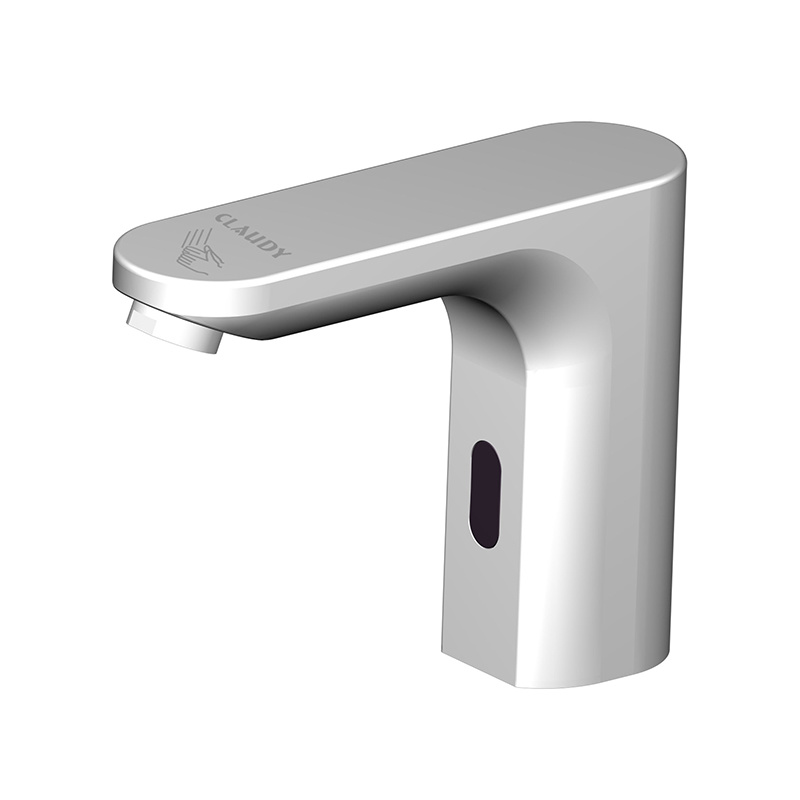
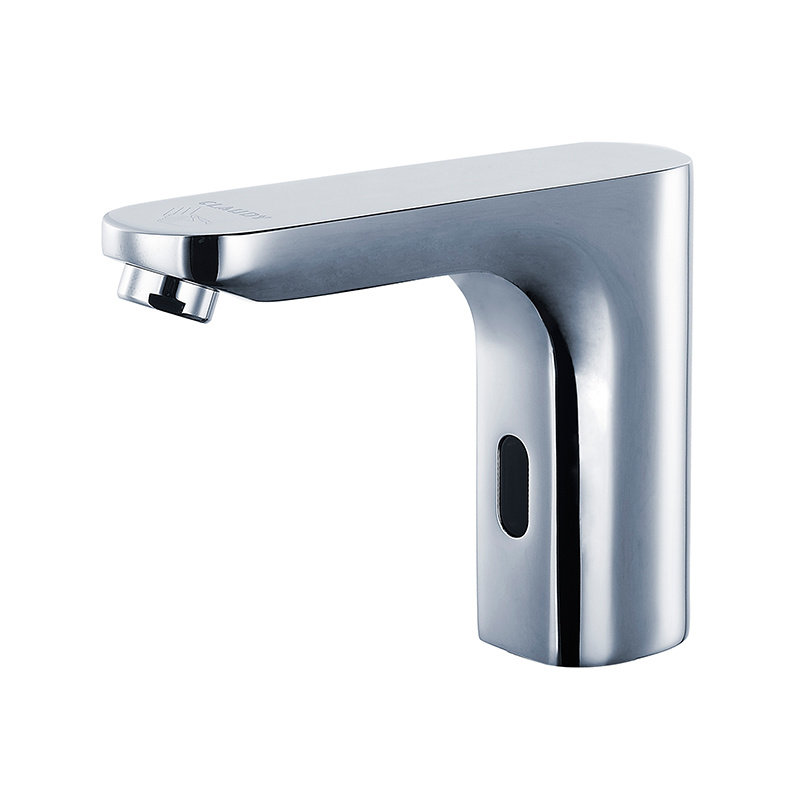
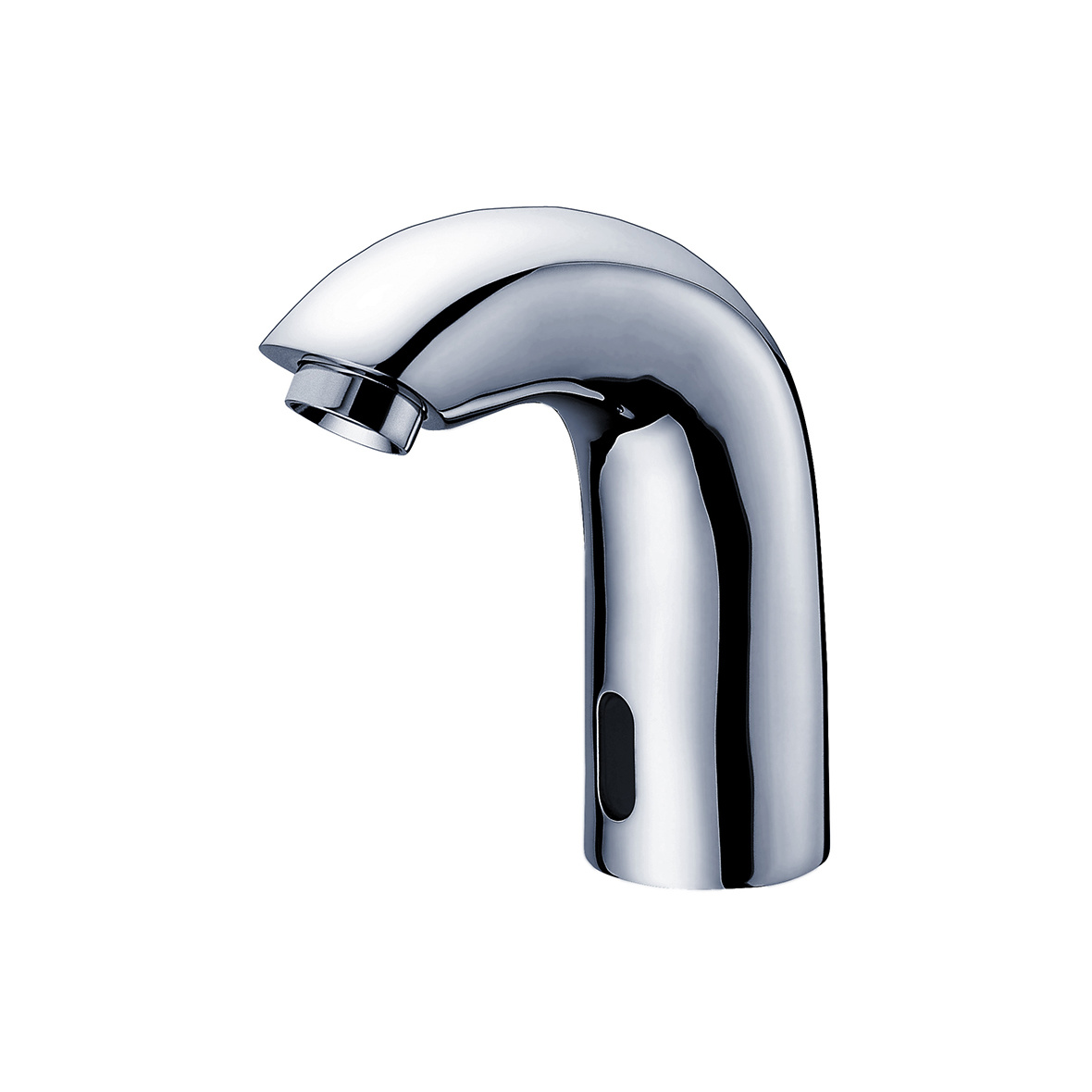
Sink sensor faucets, also known as touchless faucets, are equipped with sensors that detect motion and automatically dispense water when hands are placed under the faucet. These faucets are not only convenient and hygienic, but they also offer several benefits in terms of water conservation and energy efficiency.
One key technical aspect to consider when it comes to sink sensor faucets is the type of sensor technology used. There are two main types of sensor technologies commonly used in these faucets: infrared sensors and capacitive sensors. Infrared sensors detect body heat, while capacitive sensors detect the electrical charge of the user's body. Understanding the differences between these sensor technologies can help you recommend the most suitable option for your customers based on their specific needs and preferences.
Another important technical consideration is the power source of sink sensor faucets. These faucets are typically powered by batteries or electricity. Battery-powered faucets offer more flexibility in terms of installation, as they do not require access to an electrical outlet. On the other hand, electrically powered faucets are often more reliable and provide consistent performance. It is essential to weigh the pros and cons of each power source option to ensure that your customers make an informed decision.
Additionally, it is crucial to educate your customers on the maintenance and troubleshooting of sink sensor faucets. Regular cleaning and calibration of the sensors are essential to ensure optimal performance. Moreover, understanding common issues such as sensor malfunctions or water leakage can help you provide timely and effective solutions to your customers.
In conclusion, sink sensor faucets are a valuable addition to any modern bathroom, offering convenience, hygiene, and water efficiency. By familiarizing yourself with the technical aspects of these faucets, you can better assist your customers in selecting the right product for their needs.
One key technical aspect to consider when it comes to sink sensor faucets is the type of sensor technology used. There are two main types of sensor technologies commonly used in these faucets: infrared sensors and capacitive sensors. Infrared sensors detect body heat, while capacitive sensors detect the electrical charge of the user's body. Understanding the differences between these sensor technologies can help you recommend the most suitable option for your customers based on their specific needs and preferences.
Another important technical consideration is the power source of sink sensor faucets. These faucets are typically powered by batteries or electricity. Battery-powered faucets offer more flexibility in terms of installation, as they do not require access to an electrical outlet. On the other hand, electrically powered faucets are often more reliable and provide consistent performance. It is essential to weigh the pros and cons of each power source option to ensure that your customers make an informed decision.
Additionally, it is crucial to educate your customers on the maintenance and troubleshooting of sink sensor faucets. Regular cleaning and calibration of the sensors are essential to ensure optimal performance. Moreover, understanding common issues such as sensor malfunctions or water leakage can help you provide timely and effective solutions to your customers.
In conclusion, sink sensor faucets are a valuable addition to any modern bathroom, offering convenience, hygiene, and water efficiency. By familiarizing yourself with the technical aspects of these faucets, you can better assist your customers in selecting the right product for their needs.
LATEST INFORMATION

-
Email: info@claudy.com.cn
-
Wechat/WhatSapp: 13822778836
Add:No. 5, Taihong Middle Road, Shengfeng Industrial Zone, Xiaolan Town, Zhongshan City
MESSAGES