

language
English
العربية
বাংলাদেশ
Български
Hrvatski
Česky
Dansk
Nederland
 Esperanto
Slovenski
Filipino
Suomi
Français
Maori
 Shqiptare
Georgian
 Euskara
Deutsch
Ελλάδα
ישראל
इंडिया
Magyarország
Ísland
Indonesia
Irlanda
Italia
日本語
Sovensko
Հայաստան
한국
Kyrgyz
ປະເທດລາວ
 Zulu
Zulu
Latvian
Lithuanian
Luxembourgish
 Latinus
Macedonian
Малайская
Maltese
Монгол улс
 Cymraeg
ဗမာ
 தமிழ்
தமிழ்
नेपाल
Norge
ایران
Polska
Portugal
România
Российская
Србија
 Slovak
Србија
 Slovak
Bosanski
Slovenian
Беларус
España
Sverige
Точик
ประเทศไทย
Türk
Azərbaycan
Uzbek
 Afrikaans
Việt Nam

NEWS
Guangdong Claudy Sanitary Ware Technology Co.,Ltd.
The Benefits of Infrared Sensors for Water Taps in the Electronics Components Industry
Time:
2024-01-23
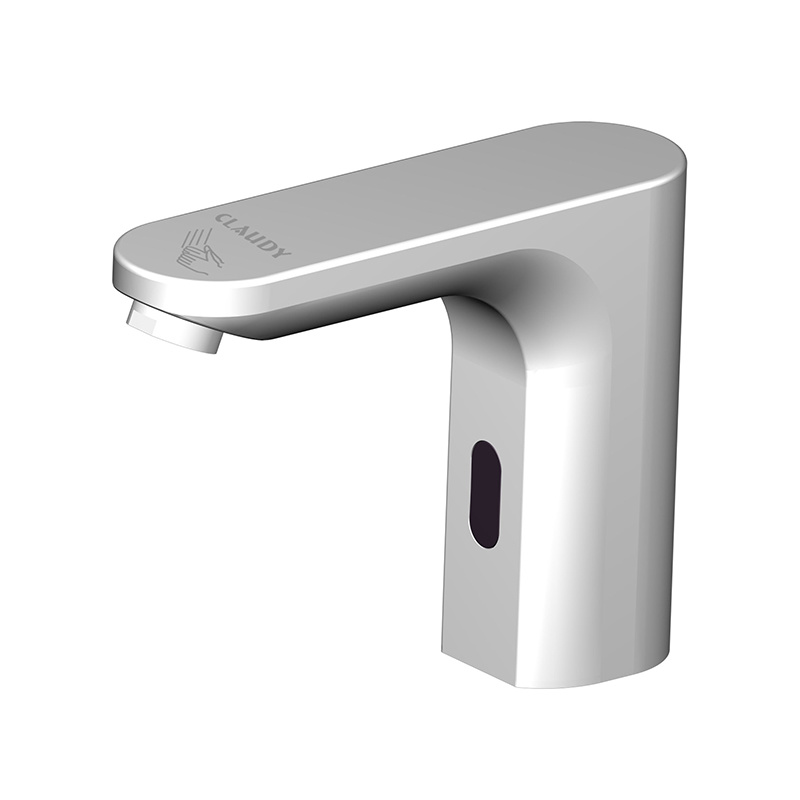
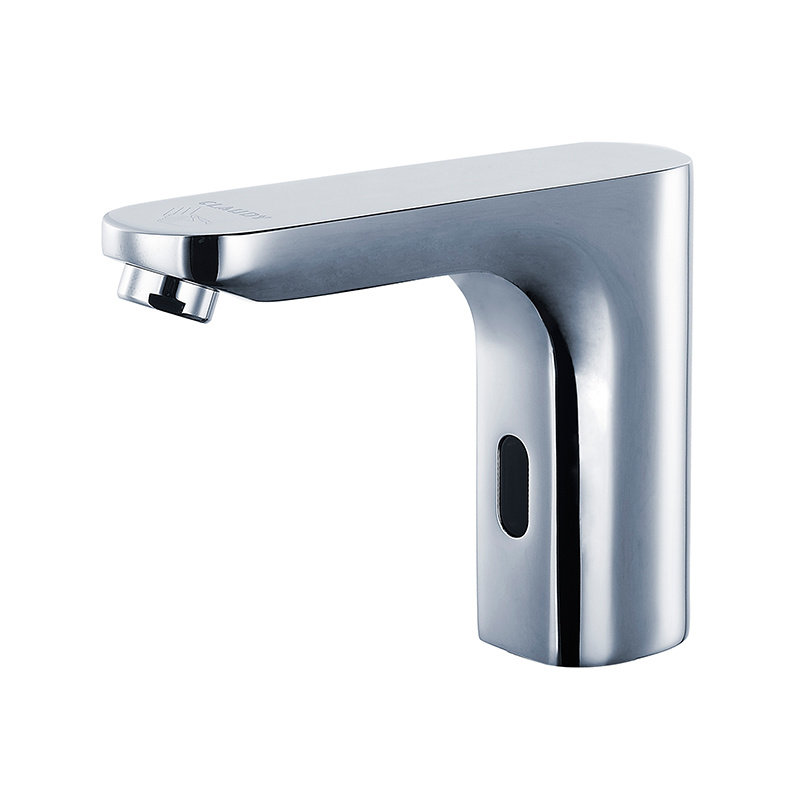
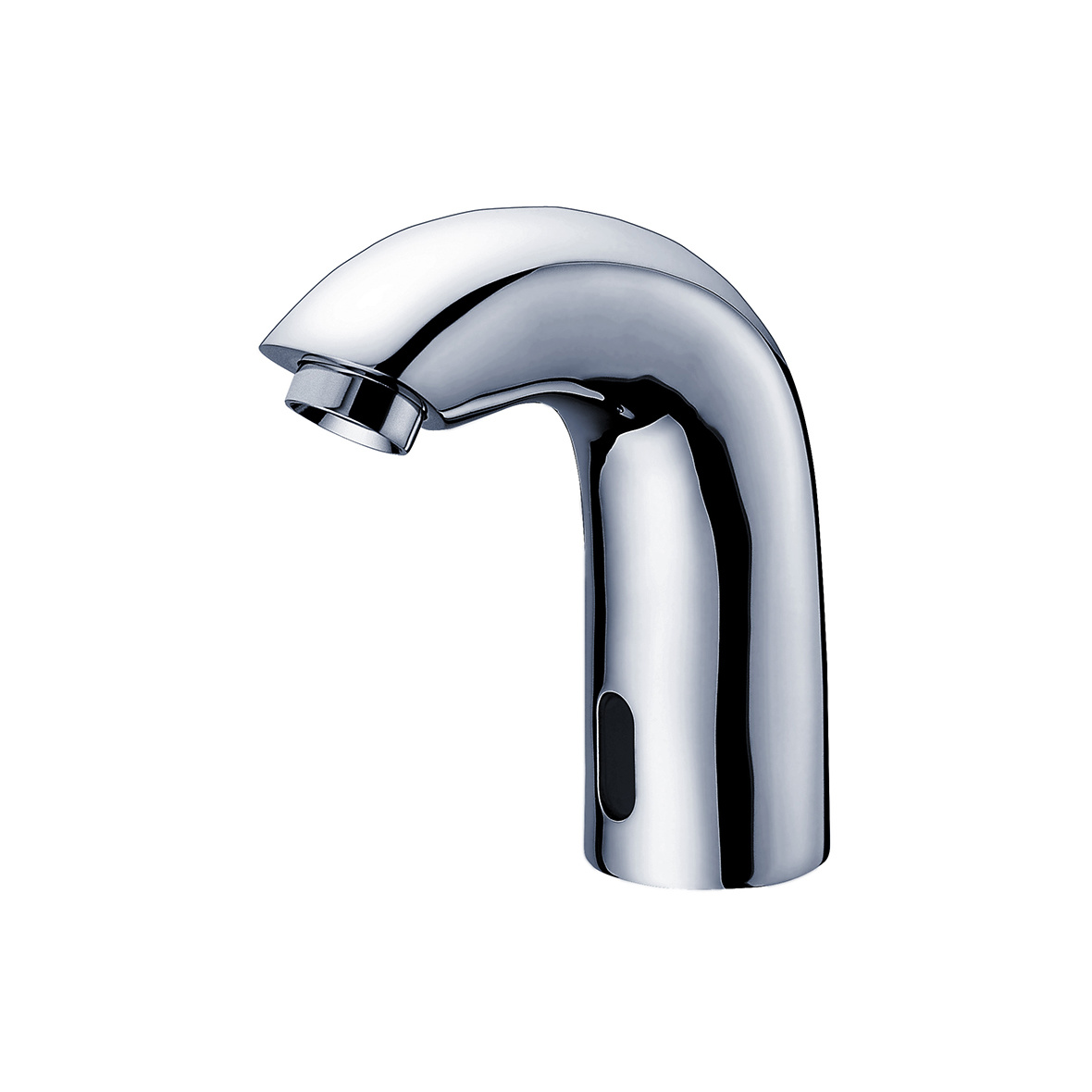
In today's fast-paced world, technology has revolutionized the way we interact with everyday objects. In the electronics components industry, sensors play a crucial role in enhancing user experience and improving efficiency. One such sensor that has gained popularity is the infrared sensor for water taps. In this article, we will explore the benefits of using these sensors and how they contribute to the advancement of the industry.
1. Water Conservation:
Infrared sensors for water taps are designed to detect the presence of hands or objects beneath the tap. By accurately sensing the user's intention to use the tap, these sensors help prevent wastage of water. Traditional taps often result in unintentional water flow due to negligence or forgetfulness. With infrared sensors, water is only dispensed when needed, promoting water conservation and reducing unnecessary consumption.
2. Hygiene and Safety:
Maintaining hygiene is a top priority in various industries, including healthcare facilities, restaurants, and public restrooms. Infrared sensors eliminate the need for physical contact, reducing the risk of spreading germs and bacteria. Users can simply place their hands beneath the tap, triggering the sensor to dispense water. Additionally, these sensors often have built-in temperature control, ensuring water is dispensed at a safe and comfortable temperature, preventing scalding incidents.
3. Energy Efficiency:
Infrared sensors for water taps are not only water-saving but also energy-efficient. Traditional taps rely on manual operation, leading to unintentional wastage of both water and energy. In contrast, infrared sensors automatically control the water flow, activating and deactivating as needed. This smart functionality significantly reduces energy consumption, benefiting both the environment and the user's utility bills.
4. Durability and Reliability:
Due to their electronic nature, infrared sensors for water taps are built to withstand various environmental conditions, ensuring long-term durability. These sensors are designed to be resistant to water, chemicals, and other external factors. With their robust construction, they offer reliable performance even in demanding industrial settings. This durability translates into cost savings for businesses, as they are less prone to damage or malfunction.
5. Versatility:
Infrared sensors for water taps are highly versatile and can be integrated into a wide range of applications. From public restrooms to commercial kitchens, these sensors can be tailored to suit different requirements. Their adaptability makes them a valuable addition to the electronics components industry, allowing professionals to explore new possibilities and create innovative solutions.
In conclusion, the use of infrared sensors for water taps brings numerous benefits to the electronics components industry. From conserving water and promoting hygiene to improving energy efficiency and offering durability, these sensors enhance user experience while contributing to sustainable practices. As professionals in the industry continue to innovate and explore new applications, the demand for infrared sensors for water taps is expected to grow, creating a brighter and more efficient future.
1. Water Conservation:
Infrared sensors for water taps are designed to detect the presence of hands or objects beneath the tap. By accurately sensing the user's intention to use the tap, these sensors help prevent wastage of water. Traditional taps often result in unintentional water flow due to negligence or forgetfulness. With infrared sensors, water is only dispensed when needed, promoting water conservation and reducing unnecessary consumption.
2. Hygiene and Safety:
Maintaining hygiene is a top priority in various industries, including healthcare facilities, restaurants, and public restrooms. Infrared sensors eliminate the need for physical contact, reducing the risk of spreading germs and bacteria. Users can simply place their hands beneath the tap, triggering the sensor to dispense water. Additionally, these sensors often have built-in temperature control, ensuring water is dispensed at a safe and comfortable temperature, preventing scalding incidents.
3. Energy Efficiency:
Infrared sensors for water taps are not only water-saving but also energy-efficient. Traditional taps rely on manual operation, leading to unintentional wastage of both water and energy. In contrast, infrared sensors automatically control the water flow, activating and deactivating as needed. This smart functionality significantly reduces energy consumption, benefiting both the environment and the user's utility bills.
4. Durability and Reliability:
Due to their electronic nature, infrared sensors for water taps are built to withstand various environmental conditions, ensuring long-term durability. These sensors are designed to be resistant to water, chemicals, and other external factors. With their robust construction, they offer reliable performance even in demanding industrial settings. This durability translates into cost savings for businesses, as they are less prone to damage or malfunction.
5. Versatility:
Infrared sensors for water taps are highly versatile and can be integrated into a wide range of applications. From public restrooms to commercial kitchens, these sensors can be tailored to suit different requirements. Their adaptability makes them a valuable addition to the electronics components industry, allowing professionals to explore new possibilities and create innovative solutions.
In conclusion, the use of infrared sensors for water taps brings numerous benefits to the electronics components industry. From conserving water and promoting hygiene to improving energy efficiency and offering durability, these sensors enhance user experience while contributing to sustainable practices. As professionals in the industry continue to innovate and explore new applications, the demand for infrared sensors for water taps is expected to grow, creating a brighter and more efficient future.
LATEST INFORMATION

-
Email: info@claudy.com.cn
-
Wechat/WhatSapp: 13822778836
Add:No. 5, Taihong Middle Road, Shengfeng Industrial Zone, Xiaolan Town, Zhongshan City
MESSAGES