

language
English
العربية
বাংলাদেশ
Български
Hrvatski
Česky
Dansk
Nederland
 Esperanto
Slovenski
Filipino
Suomi
Français
Maori
 Shqiptare
Georgian
 Euskara
Deutsch
Ελλάδα
ישראל
इंडिया
Magyarország
Ísland
Indonesia
Irlanda
Italia
日本語
Sovensko
Հայաստան
한국
Kyrgyz
ປະເທດລາວ
 Zulu
Zulu
Latvian
Lithuanian
Luxembourgish
 Latinus
Macedonian
Малайская
Maltese
Монгол улс
 Cymraeg
ဗမာ
 தமிழ்
தமிழ்
नेपाल
Norge
ایران
Polska
Portugal
România
Российская
Србија
 Slovak
Србија
 Slovak
Bosanski
Slovenian
Беларус
España
Sverige
Точик
ประเทศไทย
Türk
Azərbaycan
Uzbek
 Afrikaans
Việt Nam

NEWS
Guangdong Claudy Sanitary Ware Technology Co.,Ltd.
Everything You Need to Know About Automatic Sensor Bathroom Faucets
Time:
2024-01-16
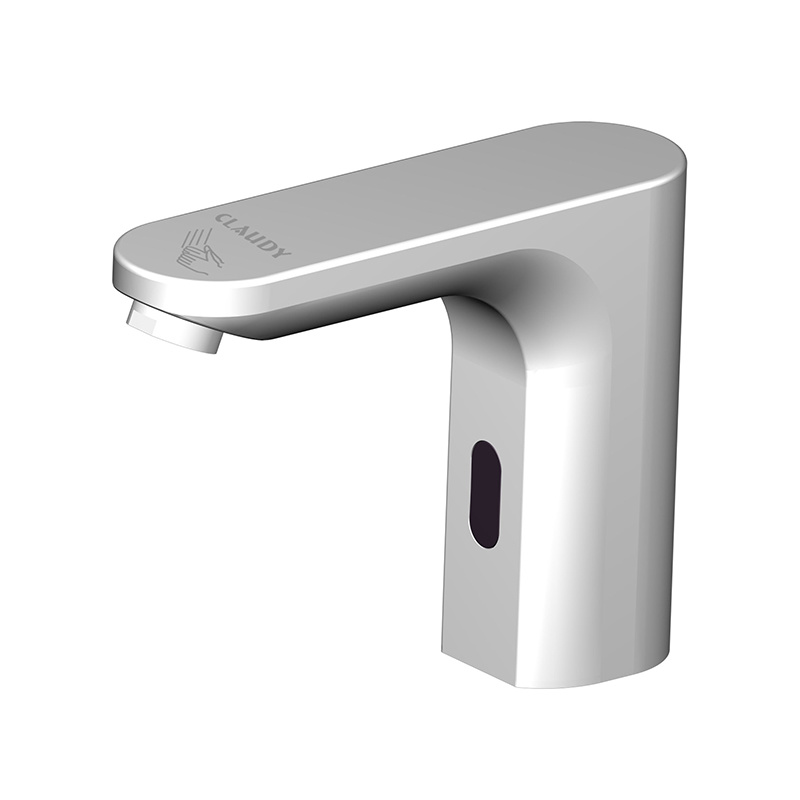
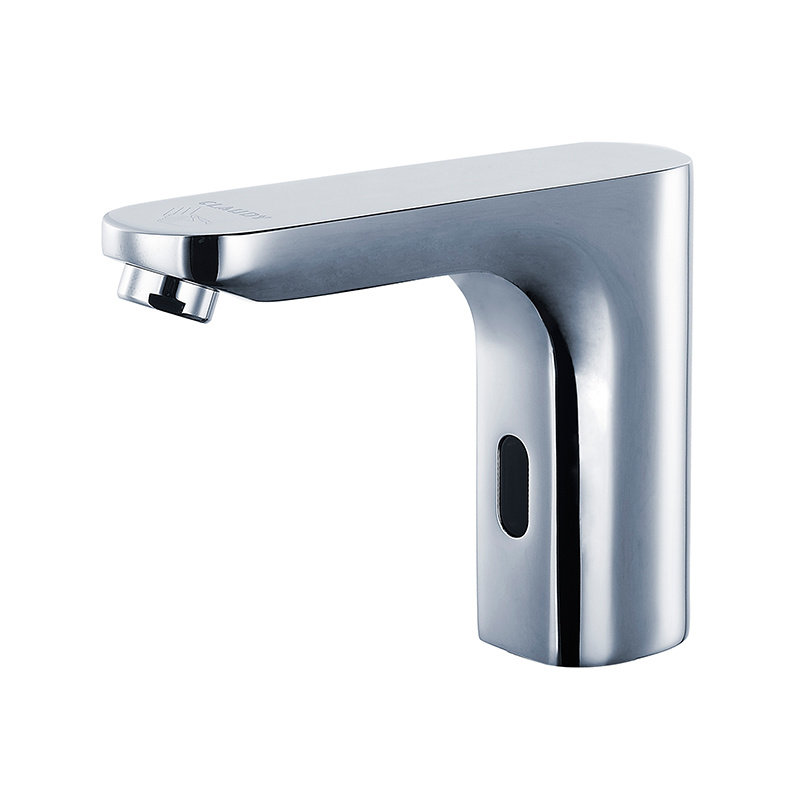
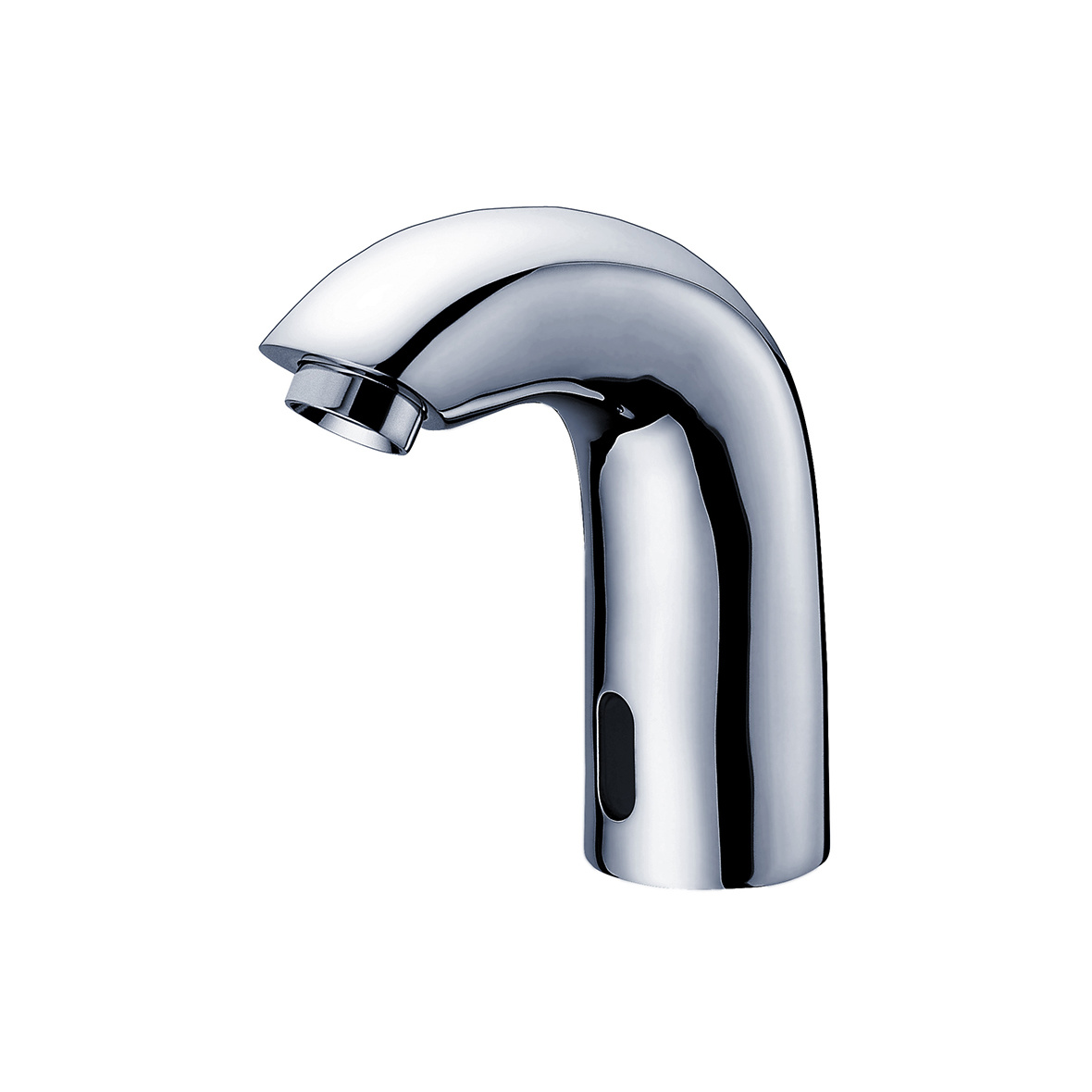
Automatic sensor bathroom faucets have revolutionized the way we interact with our bathroom fixtures. In the consumer electronics industry, particularly in the realm of bathroom appliances, these faucets have gained immense popularity due to their convenience, water-saving capabilities, and touch-free operation. Here's everything you need to know about automatic sensor bathroom faucets.
1. How do automatic sensor bathroom faucets work?
Automatic sensor bathroom faucets are equipped with motion sensors that detect the presence of a user's hands. When hands are placed under the faucet, the sensor triggers the water flow. This touchless feature not only enhances hygiene but also reduces water wastage, as the water only flows when needed.
2. Benefits of automatic sensor bathroom faucets
- Improved hygiene: By eliminating the need to touch the faucet handles, automatic sensor faucets minimize the spread of germs and bacteria.
- Water conservation: These faucets have built-in sensors that control water flow, reducing water wastage significantly compared to traditional faucets.
- Energy efficiency: Many automatic sensor faucets are designed with energy-saving features, such as shutting off automatically after a certain period of inactivity, helping to conserve energy.
- Convenience: The touchless operation of these faucets provides a seamless and hassle-free experience, offering convenience, especially when your hands are dirty or full.
3. Installation and maintenance
Installing an automatic sensor bathroom faucet is relatively straightforward and can be done by following the manufacturer's instructions. It typically involves connecting the faucet to the water supply and securing it in place. As for maintenance, regular cleaning is essential to ensure the sensor remains unobstructed and functions properly. It is recommended to use non-abrasive cleaners to avoid damaging the sensor or other components.
4. Considerations before purchasing
- Power source: Automatic sensor faucets require a power source, which can be battery-operated or connected to an electrical outlet. Determine the best option based on accessibility and maintenance preferences.
- Sensor range and sensitivity: Different faucets have varying sensor ranges and sensitivity levels. Consider the size of your bathroom sink and personal preferences to choose a faucet that suits your needs.
- Durability and quality: Look for faucets made from durable materials like brass or stainless steel to ensure longevity and reliable performance.
In conclusion, automatic sensor bathroom faucets have become an integral part of the consumer electronics industry, specifically in the realm of bathroom appliances. Their touchless operation, water-saving capabilities, and convenience make them a popular choice for both residential and commercial settings. Upgrade your bathroom experience with an automatic sensor bathroom faucet today!
1. How do automatic sensor bathroom faucets work?
Automatic sensor bathroom faucets are equipped with motion sensors that detect the presence of a user's hands. When hands are placed under the faucet, the sensor triggers the water flow. This touchless feature not only enhances hygiene but also reduces water wastage, as the water only flows when needed.
2. Benefits of automatic sensor bathroom faucets
- Improved hygiene: By eliminating the need to touch the faucet handles, automatic sensor faucets minimize the spread of germs and bacteria.
- Water conservation: These faucets have built-in sensors that control water flow, reducing water wastage significantly compared to traditional faucets.
- Energy efficiency: Many automatic sensor faucets are designed with energy-saving features, such as shutting off automatically after a certain period of inactivity, helping to conserve energy.
- Convenience: The touchless operation of these faucets provides a seamless and hassle-free experience, offering convenience, especially when your hands are dirty or full.
3. Installation and maintenance
Installing an automatic sensor bathroom faucet is relatively straightforward and can be done by following the manufacturer's instructions. It typically involves connecting the faucet to the water supply and securing it in place. As for maintenance, regular cleaning is essential to ensure the sensor remains unobstructed and functions properly. It is recommended to use non-abrasive cleaners to avoid damaging the sensor or other components.
4. Considerations before purchasing
- Power source: Automatic sensor faucets require a power source, which can be battery-operated or connected to an electrical outlet. Determine the best option based on accessibility and maintenance preferences.
- Sensor range and sensitivity: Different faucets have varying sensor ranges and sensitivity levels. Consider the size of your bathroom sink and personal preferences to choose a faucet that suits your needs.
- Durability and quality: Look for faucets made from durable materials like brass or stainless steel to ensure longevity and reliable performance.
In conclusion, automatic sensor bathroom faucets have become an integral part of the consumer electronics industry, specifically in the realm of bathroom appliances. Their touchless operation, water-saving capabilities, and convenience make them a popular choice for both residential and commercial settings. Upgrade your bathroom experience with an automatic sensor bathroom faucet today!
LATEST INFORMATION

-
Email: info@claudy.com.cn
-
Wechat/WhatSapp: 13822778836
Add:No. 5, Taihong Middle Road, Shengfeng Industrial Zone, Xiaolan Town, Zhongshan City
MESSAGES