

language
English
العربية
বাংলাদেশ
Български
Hrvatski
Česky
Dansk
Nederland
 Esperanto
Slovenski
Filipino
Suomi
Français
Maori
 Shqiptare
Georgian
 Euskara
Deutsch
Ελλάδα
ישראל
इंडिया
Magyarország
Ísland
Indonesia
Irlanda
Italia
日本語
Sovensko
Հայաստան
한국
Kyrgyz
ປະເທດລາວ
 Zulu
Zulu
Latvian
Lithuanian
Luxembourgish
 Latinus
Macedonian
Малайская
Maltese
Монгол улс
 Cymraeg
ဗမာ
 தமிழ்
தமிழ்
नेपाल
Norge
ایران
Polska
Portugal
România
Российская
Србија
 Slovak
Србија
 Slovak
Bosanski
Slovenian
Беларус
España
Sverige
Точик
ประเทศไทย
Türk
Azərbaycan
Uzbek
 Afrikaans
Việt Nam

NEWS
Guangdong Claudy Sanitary Ware Technology Co.,Ltd.
The Future of Water Conservation: Sensor Based Faucets
Time:
2024-01-15
Table of Contents
1. Introduction
2. What are Sensor Based Faucets?
3. How do Sensor Based Faucets Work?
4. Benefits of Sensor Based Faucets
5. Enhanced Water Conservation
6. Improved Hygiene and Sanitation
7. Cost Efficiency and Energy Savings
8. Easy Installation and Maintenance
9. Addressing Concerns and Misconceptions
10. Frequently Asked Questions (FAQs)
11. Conclusion
1. Introduction
Water conservation is a pressing global issue that demands innovative solutions. Sensor-based faucets are emerging as game-changers in the quest for sustainable water usage. This article delves into the future of water conservation through the lens of sensor-based faucets, exploring their functionality, benefits, and impact on the environment.
2. What are Sensor Based Faucets?
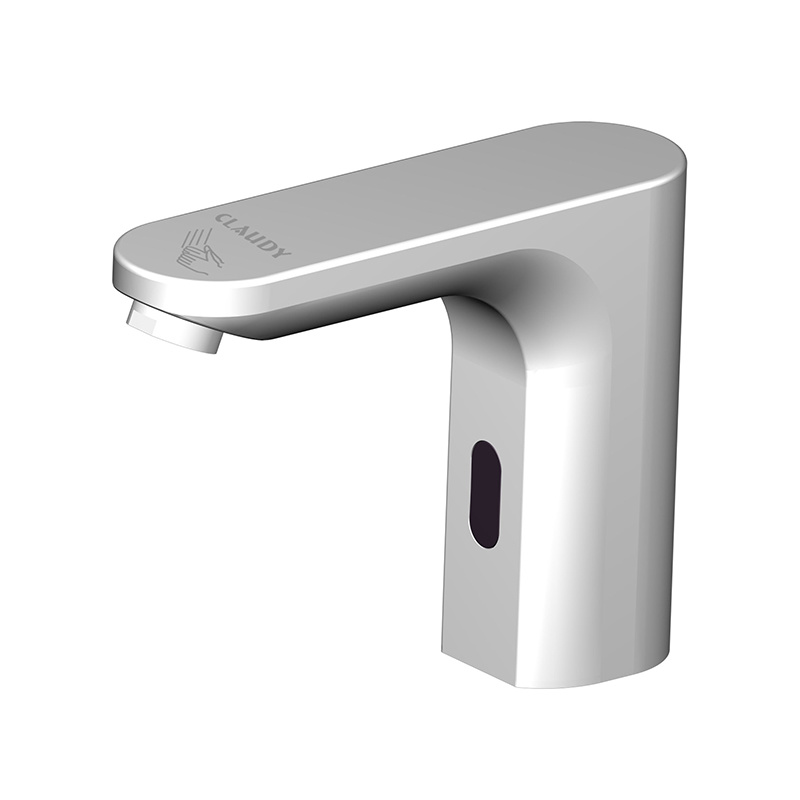
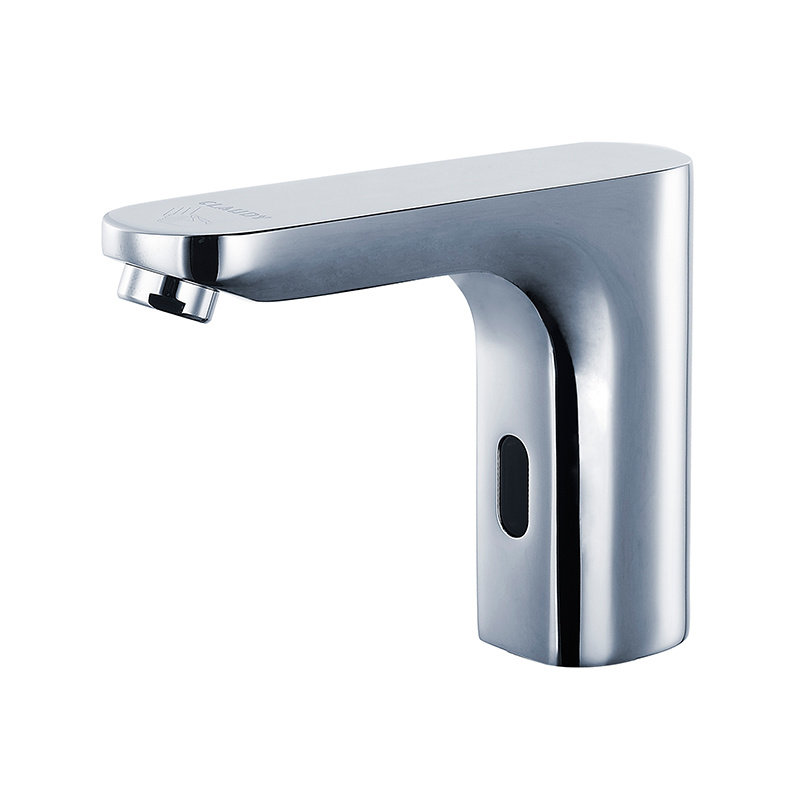
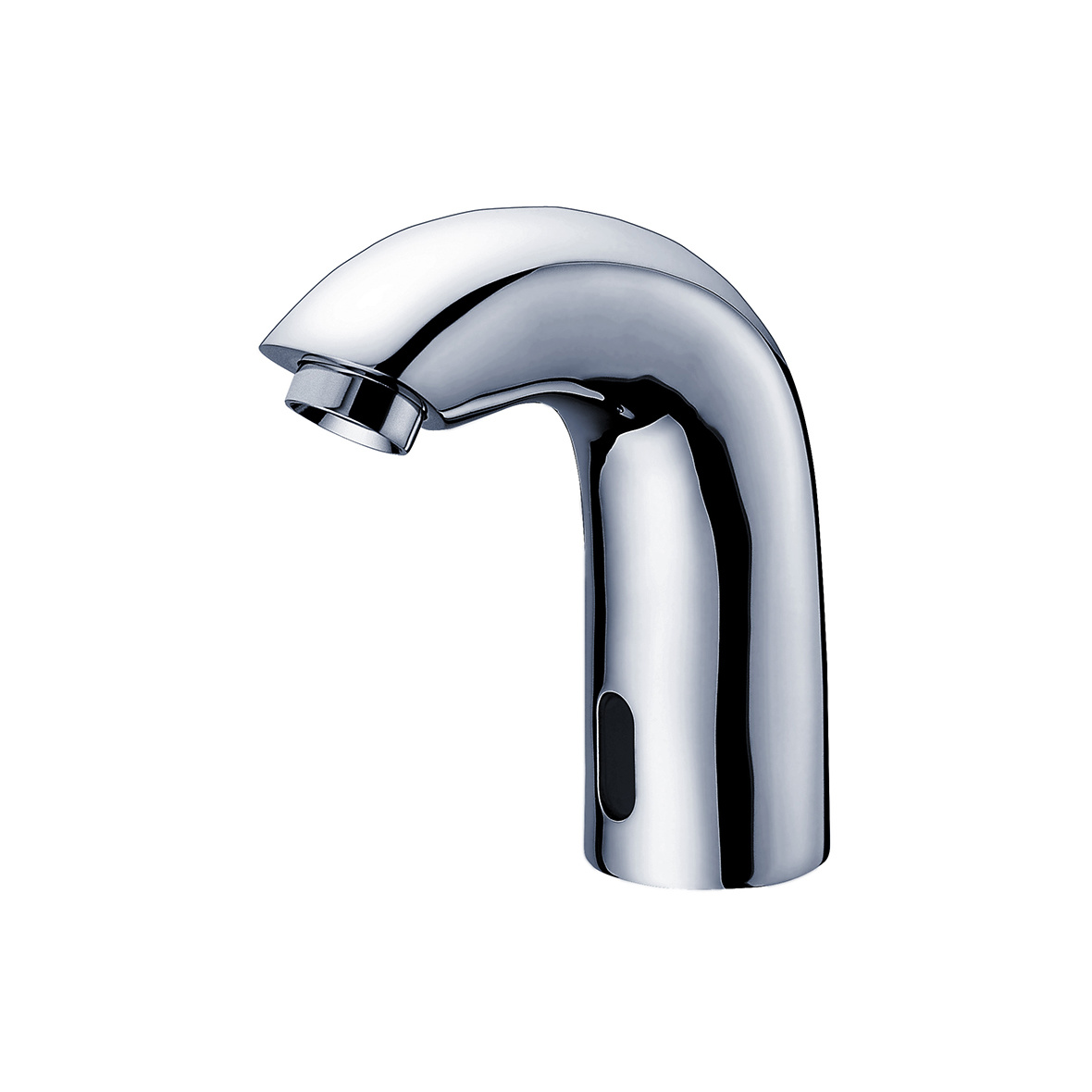
Sensor-based faucets, also known as touchless faucets or automatic faucets, are a type of plumbing fixture that utilizes advanced sensor technology to detect the presence of a user's hands or objects. These cutting-edge faucets eliminate the need for manual operation, promoting improved hygiene, efficient water usage, and reduced transmission of germs.
3. How do Sensor Based Faucets Work?
Sensor-based faucets employ infrared sensors or proximity sensors to detect hand movements or objects within their range. When a user's hands or objects are detected, the sensor activates the water flow, allowing for a touchless and seamless experience. Once the hands or objects are removed, the water flow automatically stops, minimizing wastage.
4. Benefits of Sensor Based Faucets
Sensor-based faucets offer numerous advantages, making them a compelling choice for both residential and commercial settings.
5. Enhanced Water Conservation
One of the primary benefits of sensor-based faucets is their ability to optimize water consumption. Traditional faucets often result in excessive water usage due to accidental or intentional negligence, such as leaving the water running while performing tasks. By automatically halting the water flow when not in use, sensor-based faucets significantly reduce water wastage and promote responsible water usage.
6. Improved Hygiene and Sanitation
Sensor-based faucets eliminate the need for physical contact, reducing the spread of germs and bacteria. This feature is particularly crucial in public spaces, where multiple individuals come into contact with the same faucet. By minimizing touchpoints, sensor-based faucets play a vital role in preventing the transmission of diseases and maintaining optimal hygiene levels.
7. Cost Efficiency and Energy Savings
While the initial cost of sensor-based faucets may be higher than traditional faucets, they offer considerable long-term cost savings. The automated water flow control ensures that water is only used when necessary, leading to reduced water bills. Additionally, the elimination of manual operation reduces wear and tear, resulting in lower maintenance and replacement costs. Sensor-based faucets also contribute to energy savings by reducing the energy required to heat excessive amounts of water.
8. Easy Installation and Maintenance
Sensor-based faucets are designed with ease of installation in mind, making them a convenient choice for homeowners and businesses. These faucets can often be installed using existing plumbing infrastructure, eliminating the need for extensive modifications. Maintenance is also simplified as the absence of handles and knobs reduces the chances of mechanical failures or leaks.
9. Addressing Concerns and Misconceptions
Despite their numerous benefits, sensor-based faucets have faced some concerns and misconceptions. One common concern is the reliability and sensitivity of the sensors, with users worrying about false activations or inconsistent performance. However, advancements in sensor technology have significantly improved reliability, ensuring accurate detection and optimal performance.
10. Frequently Asked Questions (FAQs)
Q1: Are sensor-based faucets suitable for residential use?
Q2: Can sensor-based faucets be installed in existing plumbing systems?
Q3: Do sensor-based faucets work with low water pressure?
Q4: Are sensor-based faucets compatible with different sink materials?
Q5: Can sensor-based faucets be manually operated if needed?
11. Conclusion
Sensor-based faucets are at the forefront of water conservation efforts, revolutionizing the way we interact with our water resources. Their ability to enhance water conservation, improve hygiene, and offer cost efficiency makes them indispensable in both residential and commercial settings. Embracing this innovative technology paves the way for a sustainable future, where responsible water usage and environmental preservation go hand in hand.
1. Introduction
2. What are Sensor Based Faucets?
3. How do Sensor Based Faucets Work?
4. Benefits of Sensor Based Faucets
5. Enhanced Water Conservation
6. Improved Hygiene and Sanitation
7. Cost Efficiency and Energy Savings
8. Easy Installation and Maintenance
9. Addressing Concerns and Misconceptions
10. Frequently Asked Questions (FAQs)
11. Conclusion
1. Introduction
Water conservation is a pressing global issue that demands innovative solutions. Sensor-based faucets are emerging as game-changers in the quest for sustainable water usage. This article delves into the future of water conservation through the lens of sensor-based faucets, exploring their functionality, benefits, and impact on the environment.
2. What are Sensor Based Faucets?
Sensor-based faucets, also known as touchless faucets or automatic faucets, are a type of plumbing fixture that utilizes advanced sensor technology to detect the presence of a user's hands or objects. These cutting-edge faucets eliminate the need for manual operation, promoting improved hygiene, efficient water usage, and reduced transmission of germs.
3. How do Sensor Based Faucets Work?
Sensor-based faucets employ infrared sensors or proximity sensors to detect hand movements or objects within their range. When a user's hands or objects are detected, the sensor activates the water flow, allowing for a touchless and seamless experience. Once the hands or objects are removed, the water flow automatically stops, minimizing wastage.
4. Benefits of Sensor Based Faucets
Sensor-based faucets offer numerous advantages, making them a compelling choice for both residential and commercial settings.
5. Enhanced Water Conservation
One of the primary benefits of sensor-based faucets is their ability to optimize water consumption. Traditional faucets often result in excessive water usage due to accidental or intentional negligence, such as leaving the water running while performing tasks. By automatically halting the water flow when not in use, sensor-based faucets significantly reduce water wastage and promote responsible water usage.
6. Improved Hygiene and Sanitation
Sensor-based faucets eliminate the need for physical contact, reducing the spread of germs and bacteria. This feature is particularly crucial in public spaces, where multiple individuals come into contact with the same faucet. By minimizing touchpoints, sensor-based faucets play a vital role in preventing the transmission of diseases and maintaining optimal hygiene levels.
7. Cost Efficiency and Energy Savings
While the initial cost of sensor-based faucets may be higher than traditional faucets, they offer considerable long-term cost savings. The automated water flow control ensures that water is only used when necessary, leading to reduced water bills. Additionally, the elimination of manual operation reduces wear and tear, resulting in lower maintenance and replacement costs. Sensor-based faucets also contribute to energy savings by reducing the energy required to heat excessive amounts of water.
8. Easy Installation and Maintenance
Sensor-based faucets are designed with ease of installation in mind, making them a convenient choice for homeowners and businesses. These faucets can often be installed using existing plumbing infrastructure, eliminating the need for extensive modifications. Maintenance is also simplified as the absence of handles and knobs reduces the chances of mechanical failures or leaks.
9. Addressing Concerns and Misconceptions
Despite their numerous benefits, sensor-based faucets have faced some concerns and misconceptions. One common concern is the reliability and sensitivity of the sensors, with users worrying about false activations or inconsistent performance. However, advancements in sensor technology have significantly improved reliability, ensuring accurate detection and optimal performance.
10. Frequently Asked Questions (FAQs)
Q1: Are sensor-based faucets suitable for residential use?
Q2: Can sensor-based faucets be installed in existing plumbing systems?
Q3: Do sensor-based faucets work with low water pressure?
Q4: Are sensor-based faucets compatible with different sink materials?
Q5: Can sensor-based faucets be manually operated if needed?
11. Conclusion
Sensor-based faucets are at the forefront of water conservation efforts, revolutionizing the way we interact with our water resources. Their ability to enhance water conservation, improve hygiene, and offer cost efficiency makes them indispensable in both residential and commercial settings. Embracing this innovative technology paves the way for a sustainable future, where responsible water usage and environmental preservation go hand in hand.
LATEST INFORMATION

-
Email: info@claudy.com.cn
-
Wechat/WhatSapp: 13822778836
Add:No. 5, Taihong Middle Road, Shengfeng Industrial Zone, Xiaolan Town, Zhongshan City
MESSAGES