

language
English
العربية
বাংলাদেশ
Български
Hrvatski
Česky
Dansk
Nederland
 Esperanto
Slovenski
Filipino
Suomi
Français
Maori
 Shqiptare
Georgian
 Euskara
Deutsch
Ελλάδα
ישראל
इंडिया
Magyarország
Ísland
Indonesia
Irlanda
Italia
日本語
Sovensko
Հայաստան
한국
Kyrgyz
ປະເທດລາວ
 Zulu
Zulu
Latvian
Lithuanian
Luxembourgish
 Latinus
Macedonian
Малайская
Maltese
Монгол улс
 Cymraeg
ဗမာ
 தமிழ்
தமிழ்
नेपाल
Norge
ایران
Polska
Portugal
România
Российская
Србија
 Slovak
Србија
 Slovak
Bosanski
Slovenian
Беларус
España
Sverige
Точик
ประเทศไทย
Türk
Azərbaycan
Uzbek
 Afrikaans
Việt Nam

NEWS
Guangdong Claudy Sanitary Ware Technology Co.,Ltd.
The Essential Components of an Automatic Faucet
Time:
2023-10-24
Introduction:
In the world of consumer electronics, particularly in the realm of bathroom appliances, automatic faucets have gained significant popularity. These innovative devices offer a touchless and hygienic solution, providing convenience and efficiency. To understand the inner workings of automatic faucets, it is essential to explore their key components. In this article, we will delve into the technical aspects without any mention of pricing, promises, or specific brands.
1. Sensor:
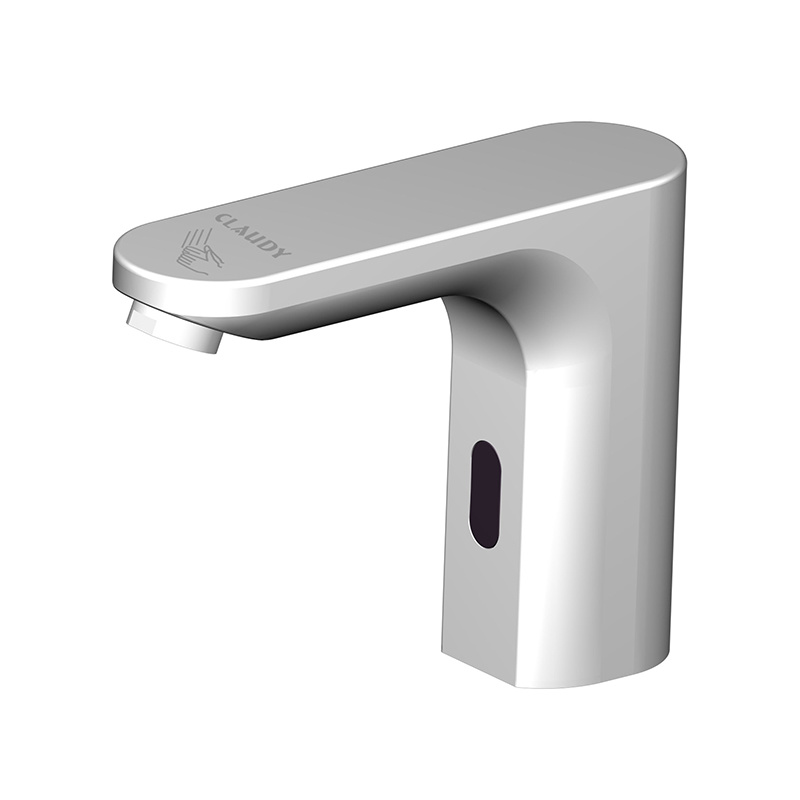
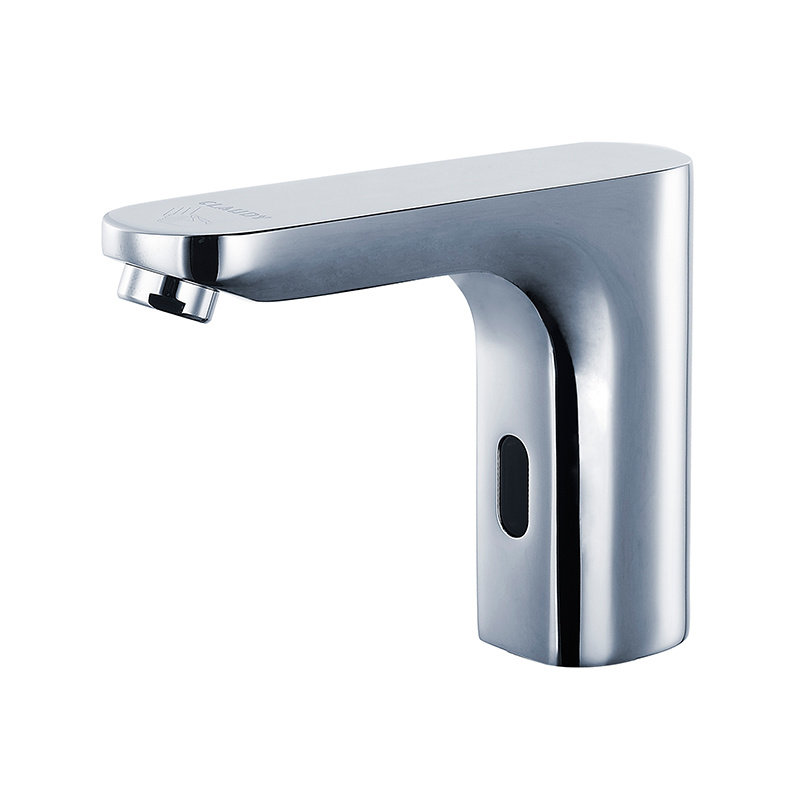
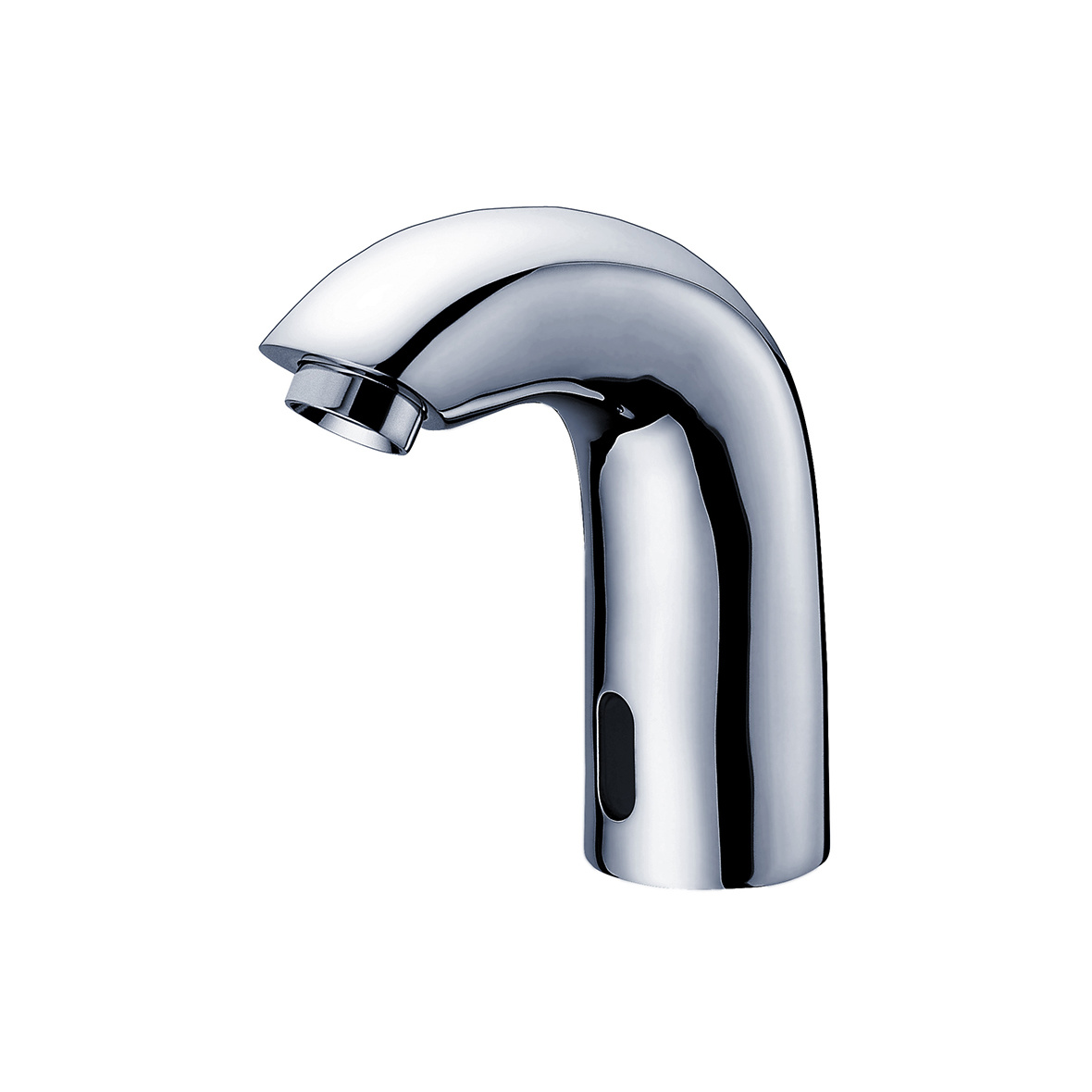
The sensor is the primary component that distinguishes automatic faucets from traditional ones. It employs infrared technology to detect the presence of hands and triggers the water flow accordingly. By eliminating the need for physical contact, automatic faucets promote improved hygiene and reduce water wastage.
2. Solenoid Valve:
The solenoid valve plays a crucial role in regulating water flow. It is an electromechanical device that opens and closes the water supply based on signals received from the sensor. When the sensor detects hands, it sends a signal to the solenoid valve, which then allows water to flow. Once the hands are removed, the valve closes, stopping the water flow.
3. Power Source:
Automatic faucets require a power source to operate. Typically, they are powered by batteries or electricity. Battery-powered faucets offer flexibility in terms of installation and are often preferred in residential settings. On the other hand, commercial establishments usually opt for electrically powered faucets, which are more reliable and don't require frequent battery replacements.
4. Control Circuit:
The control circuit serves as the brain of the automatic faucet. It coordinates the sensor, solenoid valve, and power source, ensuring seamless operation. The circuit processes signals from the sensor and controls the opening and closing of the solenoid valve accordingly. It also regulates the power consumption, contributing to energy efficiency.
5. Mixing Valve:
Many automatic faucets feature a mixing valve, allowing users to adjust the temperature of the water. This component blends hot and cold water to achieve the desired temperature, providing comfort and convenience. The mixing valve can be manually adjusted or controlled electronically, depending on the faucet's design.
Conclusion:
Automatic faucets have revolutionized the way we interact with bathroom appliances, offering hygienic and efficient water usage. By understanding the essential components, such as the sensor, solenoid valve, power source, control circuit, and mixing valve, you can appreciate the technical intricacies behind these innovative devices. Whether in residential or commercial settings, automatic faucets continue to shape the future of the bathroom appliance industry, providing a seamless and modern experience for users.
In the world of consumer electronics, particularly in the realm of bathroom appliances, automatic faucets have gained significant popularity. These innovative devices offer a touchless and hygienic solution, providing convenience and efficiency. To understand the inner workings of automatic faucets, it is essential to explore their key components. In this article, we will delve into the technical aspects without any mention of pricing, promises, or specific brands.
1. Sensor:
The sensor is the primary component that distinguishes automatic faucets from traditional ones. It employs infrared technology to detect the presence of hands and triggers the water flow accordingly. By eliminating the need for physical contact, automatic faucets promote improved hygiene and reduce water wastage.
2. Solenoid Valve:
The solenoid valve plays a crucial role in regulating water flow. It is an electromechanical device that opens and closes the water supply based on signals received from the sensor. When the sensor detects hands, it sends a signal to the solenoid valve, which then allows water to flow. Once the hands are removed, the valve closes, stopping the water flow.
3. Power Source:
Automatic faucets require a power source to operate. Typically, they are powered by batteries or electricity. Battery-powered faucets offer flexibility in terms of installation and are often preferred in residential settings. On the other hand, commercial establishments usually opt for electrically powered faucets, which are more reliable and don't require frequent battery replacements.
4. Control Circuit:
The control circuit serves as the brain of the automatic faucet. It coordinates the sensor, solenoid valve, and power source, ensuring seamless operation. The circuit processes signals from the sensor and controls the opening and closing of the solenoid valve accordingly. It also regulates the power consumption, contributing to energy efficiency.
5. Mixing Valve:
Many automatic faucets feature a mixing valve, allowing users to adjust the temperature of the water. This component blends hot and cold water to achieve the desired temperature, providing comfort and convenience. The mixing valve can be manually adjusted or controlled electronically, depending on the faucet's design.
Conclusion:
Automatic faucets have revolutionized the way we interact with bathroom appliances, offering hygienic and efficient water usage. By understanding the essential components, such as the sensor, solenoid valve, power source, control circuit, and mixing valve, you can appreciate the technical intricacies behind these innovative devices. Whether in residential or commercial settings, automatic faucets continue to shape the future of the bathroom appliance industry, providing a seamless and modern experience for users.
LATEST INFORMATION

-
Email: info@claudy.com.cn
-
Wechat/WhatSapp: 13822778836
Add:No. 5, Taihong Middle Road, Shengfeng Industrial Zone, Xiaolan Town, Zhongshan City
MESSAGES