

language
English
العربية
বাংলাদেশ
Български
Hrvatski
Česky
Dansk
Nederland
 Esperanto
Slovenski
Filipino
Suomi
Français
Maori
 Shqiptare
Georgian
 Euskara
Deutsch
Ελλάδα
ישראל
इंडिया
Magyarország
Ísland
Indonesia
Irlanda
Italia
日本語
Sovensko
Հայաստան
한국
Kyrgyz
ປະເທດລາວ
 Zulu
Zulu
Latvian
Lithuanian
Luxembourgish
 Latinus
Macedonian
Малайская
Maltese
Монгол улс
 Cymraeg
ဗမာ
 தமிழ்
தமிழ்
नेपाल
Norge
ایران
Polska
Portugal
România
Российская
Србија
 Slovak
Србија
 Slovak
Bosanski
Slovenian
Беларус
España
Sverige
Точик
ประเทศไทย
Türk
Azərbaycan
Uzbek
 Afrikaans
Việt Nam

NEWS
Guangdong Claudy Sanitary Ware Technology Co.,Ltd.
Upgrade Your Bathroom with a Modern Sink Sensor Faucet
Time:
2023-10-10
Table of Contents:
1. Understanding the Benefits of a Modern Sink Sensor Faucet
2. How Sensor Faucets Work: Explained
3. Factors to Consider When Choosing a Sensor Faucet
4. Installation Made Easy: Step-by-Step Guide
5. Maintaining Your Sensor Faucet for Longevity
6. Frequently Asked Questions (FAQs)
7. Conclusion
1. Understanding the Benefits of a Modern Sink Sensor Faucet
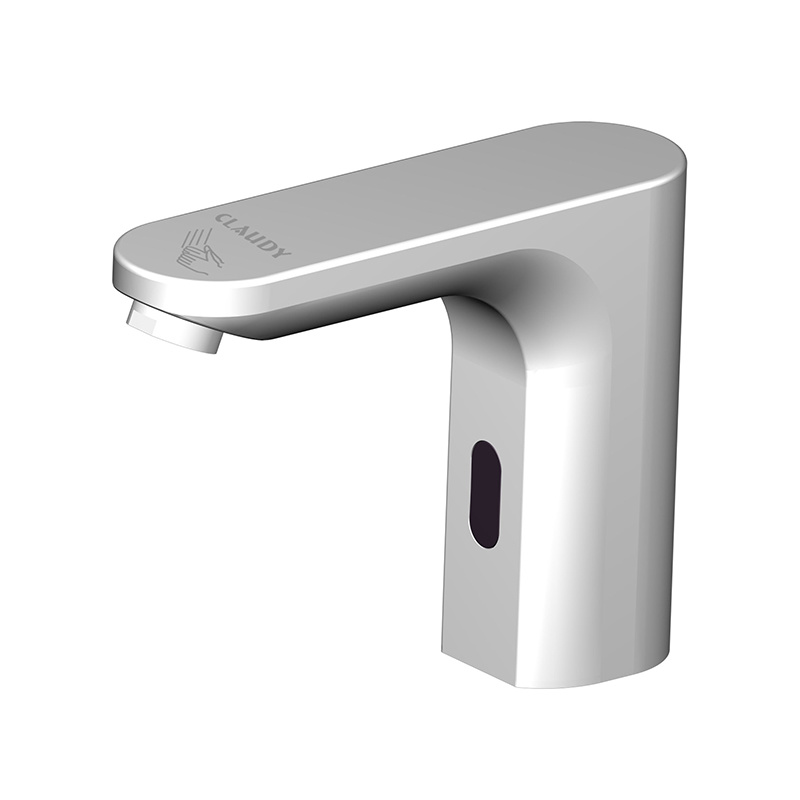
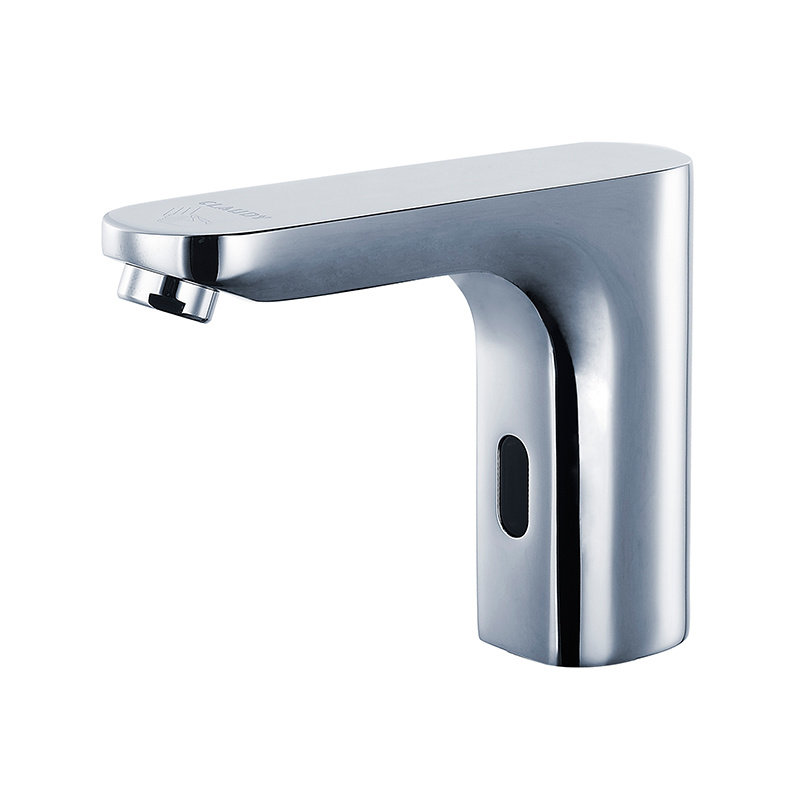
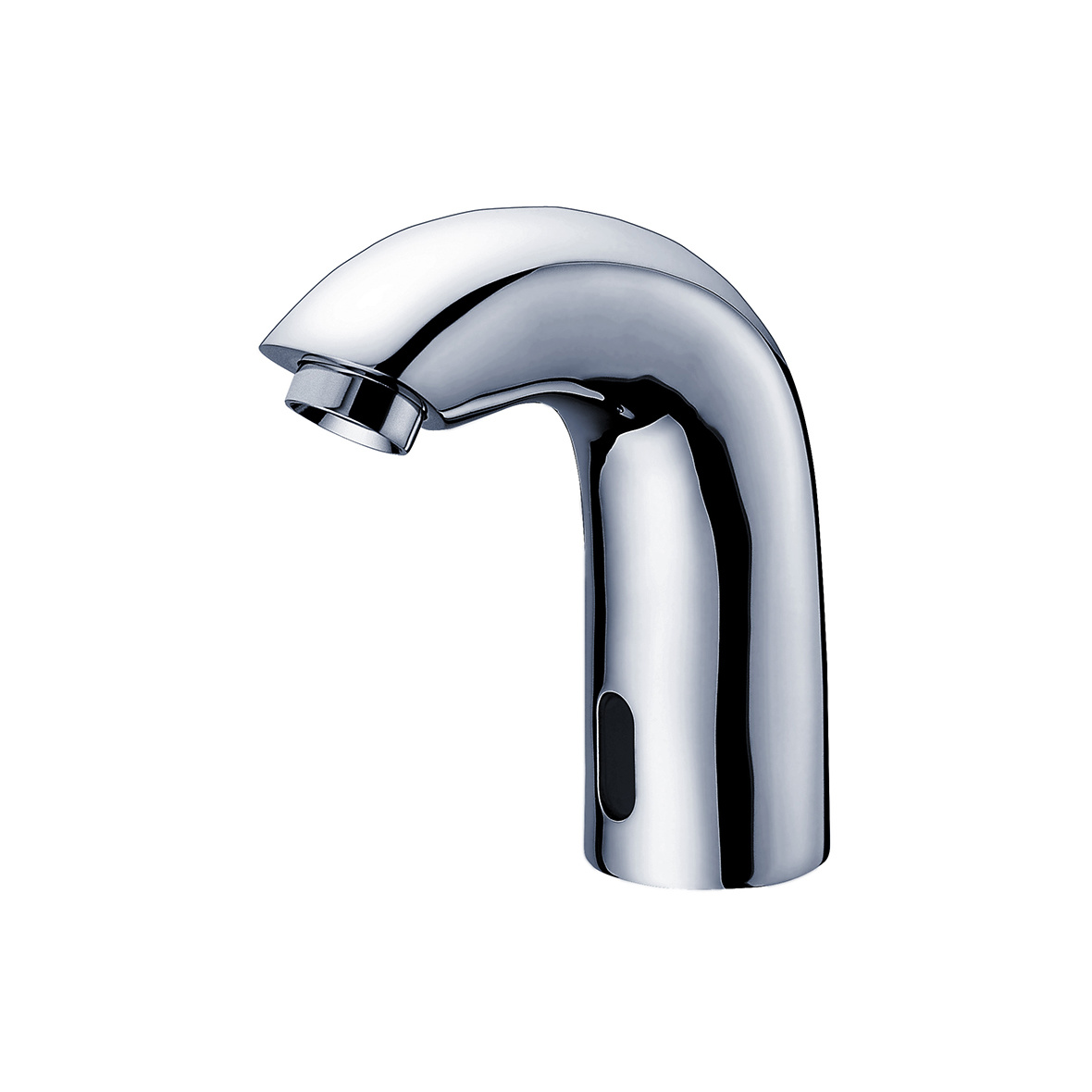
Upgrade your bathroom experience with a modern sink sensor faucet and enjoy a range of benefits. These faucets offer touchless operation, eliminating the need to touch any handles or knobs, which promotes hygiene and reduces the spread of germs. Additionally, sensor faucets are highly efficient, as they only dispense water when needed, saving both water and energy. With their sleek and contemporary designs, modern sink sensor faucets also add a touch of elegance and sophistication to any bathroom.
2. How Sensor Faucets Work: Explained
Sensor faucets use infrared technology to detect the presence of a user's hands or objects in front of the faucet. When the sensor detects motion, it activates the water flow, allowing for a hands-free experience. Once the user moves away, the sensor automatically shuts off the water flow. This innovative technology not only saves water but also prevents any accidental flooding or wastage.
3. Factors to Consider When Choosing a Sensor Faucet
When selecting a sensor faucet for your bathroom, there are several key factors to consider. Firstly, ensure that the faucet is compatible with your existing sink or countertop. Measure the installation requirements, including the hole size and spacing, to ensure a proper fit. Additionally, consider the power source required for the sensor faucet, whether it is battery-powered or needs to be connected to an electrical outlet.
Water efficiency is another crucial factor to consider. Look for faucets with adjustable flow rates and temperature settings, as this allows you to customize the water output according to your needs. It is also essential to choose a sensor faucet with durable construction and a finish that complements your bathroom's aesthetics.
4. Installation Made Easy: Step-by-Step Guide
Installing a modern sink sensor faucet is a simple process that can be done by following these steps:
Step 1: Turn off the water supply by shutting off the main valve.
Step 2: Remove the existing faucet by disconnecting the water supply lines and unscrewing the mounting nuts.
Step 3: Clean the area where the old faucet was installed to ensure a clean and smooth surface.
Step 4: Take the new sensor faucet and insert it into the mounting holes. Secure it using the provided mounting nuts.
Step 5: Connect the water supply lines to the corresponding hot and cold water inlets of the sensor faucet. Use Teflon tape to ensure a watertight seal.
Step 6: Turn on the water supply and check for any leaks. Make any necessary adjustments to the faucet's settings, such as flow rate and temperature.
5. Maintaining Your Sensor Faucet for Longevity
To ensure the longevity and optimal performance of your modern sink sensor faucet, regular maintenance is essential. Here are some tips to keep in mind:
- Clean the sensor area regularly to remove any dirt or residue that may affect its functionality.
- Use mild soap and water to clean the faucet's surface, avoiding abrasive cleaners that can damage the finish.
- Check the battery or power source regularly to ensure uninterrupted sensor operation.
- Inspect the water supply lines for any leaks or damage and replace them if necessary.
- If you notice any issues with the sensor's sensitivity or water flow, refer to the manufacturer's manual for troubleshooting steps.
6. Frequently Asked Questions (FAQs)
Q1: Are sensor faucets easy to install?
A1: Yes, sensor faucets are relatively easy to install, especially if you have some basic plumbing knowledge. However, it is recommended to follow the manufacturer's instructions or seek professional assistance for a seamless installation.
Q2: How do sensor faucets help conserve water?
A2: Sensor faucets only dispense water when they detect motion, eliminating the risk of leaving the faucet running accidentally. This water-saving feature significantly reduces water wastage and promotes water efficiency.
Q3: Can sensor faucets be used in commercial settings?
A3: Yes, sensor faucets are commonly used in commercial settings such as public restrooms and restaurants due to their hygienic and water-saving benefits. However, they are equally suitable for residential bathrooms.
Q4: Do sensor faucets require electricity?
A4: Sensor faucets can be powered by batteries or connected to an electrical outlet, depending on the specific model. Be sure to check the power requirements before purchasing a sensor faucet.
Q5: Can I adjust the water temperature with a sensor faucet?
A5: Yes, many sensor faucets offer temperature adjustment options, allowing you to customize the water temperature according to your preference.
7. Conclusion
Upgrade your bathroom with a modern sink sensor faucet to enjoy the convenience, hygiene, and water efficiency it offers. With touchless operation, sleek designs, and adjustable settings, these faucets provide an elevated bathroom experience. Remember to consider factors such as compatibility, water efficiency, and durability when choosing a sensor faucet. Follow the installation guide for a seamless setup, and maintain your faucet regularly to ensure its longevity. With a modern sink sensor faucet, you can transform your bathroom into a sophisticated oasis that combines functionality with style.
1. Understanding the Benefits of a Modern Sink Sensor Faucet
2. How Sensor Faucets Work: Explained
3. Factors to Consider When Choosing a Sensor Faucet
4. Installation Made Easy: Step-by-Step Guide
5. Maintaining Your Sensor Faucet for Longevity
6. Frequently Asked Questions (FAQs)
7. Conclusion
1. Understanding the Benefits of a Modern Sink Sensor Faucet
Upgrade your bathroom experience with a modern sink sensor faucet and enjoy a range of benefits. These faucets offer touchless operation, eliminating the need to touch any handles or knobs, which promotes hygiene and reduces the spread of germs. Additionally, sensor faucets are highly efficient, as they only dispense water when needed, saving both water and energy. With their sleek and contemporary designs, modern sink sensor faucets also add a touch of elegance and sophistication to any bathroom.
2. How Sensor Faucets Work: Explained
Sensor faucets use infrared technology to detect the presence of a user's hands or objects in front of the faucet. When the sensor detects motion, it activates the water flow, allowing for a hands-free experience. Once the user moves away, the sensor automatically shuts off the water flow. This innovative technology not only saves water but also prevents any accidental flooding or wastage.
3. Factors to Consider When Choosing a Sensor Faucet
When selecting a sensor faucet for your bathroom, there are several key factors to consider. Firstly, ensure that the faucet is compatible with your existing sink or countertop. Measure the installation requirements, including the hole size and spacing, to ensure a proper fit. Additionally, consider the power source required for the sensor faucet, whether it is battery-powered or needs to be connected to an electrical outlet.
Water efficiency is another crucial factor to consider. Look for faucets with adjustable flow rates and temperature settings, as this allows you to customize the water output according to your needs. It is also essential to choose a sensor faucet with durable construction and a finish that complements your bathroom's aesthetics.
4. Installation Made Easy: Step-by-Step Guide
Installing a modern sink sensor faucet is a simple process that can be done by following these steps:
Step 1: Turn off the water supply by shutting off the main valve.
Step 2: Remove the existing faucet by disconnecting the water supply lines and unscrewing the mounting nuts.
Step 3: Clean the area where the old faucet was installed to ensure a clean and smooth surface.
Step 4: Take the new sensor faucet and insert it into the mounting holes. Secure it using the provided mounting nuts.
Step 5: Connect the water supply lines to the corresponding hot and cold water inlets of the sensor faucet. Use Teflon tape to ensure a watertight seal.
Step 6: Turn on the water supply and check for any leaks. Make any necessary adjustments to the faucet's settings, such as flow rate and temperature.
5. Maintaining Your Sensor Faucet for Longevity
To ensure the longevity and optimal performance of your modern sink sensor faucet, regular maintenance is essential. Here are some tips to keep in mind:
- Clean the sensor area regularly to remove any dirt or residue that may affect its functionality.
- Use mild soap and water to clean the faucet's surface, avoiding abrasive cleaners that can damage the finish.
- Check the battery or power source regularly to ensure uninterrupted sensor operation.
- Inspect the water supply lines for any leaks or damage and replace them if necessary.
- If you notice any issues with the sensor's sensitivity or water flow, refer to the manufacturer's manual for troubleshooting steps.
6. Frequently Asked Questions (FAQs)
Q1: Are sensor faucets easy to install?
A1: Yes, sensor faucets are relatively easy to install, especially if you have some basic plumbing knowledge. However, it is recommended to follow the manufacturer's instructions or seek professional assistance for a seamless installation.
Q2: How do sensor faucets help conserve water?
A2: Sensor faucets only dispense water when they detect motion, eliminating the risk of leaving the faucet running accidentally. This water-saving feature significantly reduces water wastage and promotes water efficiency.
Q3: Can sensor faucets be used in commercial settings?
A3: Yes, sensor faucets are commonly used in commercial settings such as public restrooms and restaurants due to their hygienic and water-saving benefits. However, they are equally suitable for residential bathrooms.
Q4: Do sensor faucets require electricity?
A4: Sensor faucets can be powered by batteries or connected to an electrical outlet, depending on the specific model. Be sure to check the power requirements before purchasing a sensor faucet.
Q5: Can I adjust the water temperature with a sensor faucet?
A5: Yes, many sensor faucets offer temperature adjustment options, allowing you to customize the water temperature according to your preference.
7. Conclusion
Upgrade your bathroom with a modern sink sensor faucet to enjoy the convenience, hygiene, and water efficiency it offers. With touchless operation, sleek designs, and adjustable settings, these faucets provide an elevated bathroom experience. Remember to consider factors such as compatibility, water efficiency, and durability when choosing a sensor faucet. Follow the installation guide for a seamless setup, and maintain your faucet regularly to ensure its longevity. With a modern sink sensor faucet, you can transform your bathroom into a sophisticated oasis that combines functionality with style.
LATEST INFORMATION

-
Email: info@claudy.com.cn
-
Wechat/WhatSapp: 13822778836
Add:No. 5, Taihong Middle Road, Shengfeng Industrial Zone, Xiaolan Town, Zhongshan City
MESSAGES