

language
English
العربية
বাংলাদেশ
Български
Hrvatski
Česky
Dansk
Nederland
 Esperanto
Slovenski
Filipino
Suomi
Français
Maori
 Shqiptare
Georgian
 Euskara
Deutsch
Ελλάδα
ישראל
इंडिया
Magyarország
Ísland
Indonesia
Irlanda
Italia
日本語
Sovensko
Հայաստան
한국
Kyrgyz
ປະເທດລາວ
 Zulu
Zulu
Latvian
Lithuanian
Luxembourgish
 Latinus
Macedonian
Малайская
Maltese
Монгол улс
 Cymraeg
ဗမာ
 தமிழ்
தமிழ்
नेपाल
Norge
ایران
Polska
Portugal
România
Российская
Србија
 Slovak
Србија
 Slovak
Bosanski
Slovenian
Беларус
España
Sverige
Точик
ประเทศไทย
Türk
Azərbaycan
Uzbek
 Afrikaans
Việt Nam

NEWS
Guangdong Claudy Sanitary Ware Technology Co.,Ltd.
The Benefits of Using a Sensor Faucet for Your Bathroom Sink
Time:
2023-10-09
Table of Contents
1. Introduction
2. Enhanced Hygiene and Reduced Germs
3. Water Conservation
4. Convenience and Accessibility
5. Energy Efficiency
6. Cost-Effectiveness
7. Easy Installation and Maintenance
8. Stylish and Modern Design
9. Frequently Asked Questions
- How does a sensor faucet work?
- Can a sensor faucet be manually operated as well?
- Are sensor faucets suitable for all types of bathroom sinks?
- Are sensor faucets more expensive than traditional faucets?
- Can a sensor faucet be installed in an existing bathroom sink?
10. Conclusion
---
## 1. Introduction
In today's fast-paced world, technology has permeated every aspect of our lives, including our bathrooms. One such advancement is the sensor faucet, which offers a range of benefits over traditional faucets. This article explores the advantages of incorporating a sensor faucet into your bathroom sink and why it is a smart choice for modern homes.
## 2. Enhanced Hygiene and Reduced Germs
One of the primary benefits of using a sensor faucet in your bathroom sink is improved hygiene. Traditional faucets require physical contact to turn the water on or off, leaving them susceptible to the accumulation of germs and bacteria. A sensor faucet eliminates this issue by utilizing advanced infrared technology, which detects motion and activates the water flow without the need to touch the faucet. This touchless operation reduces the transmission of germs, promoting a cleaner and healthier environment.
## 3. Water Conservation
Water conservation is a pressing concern in today's world. Sensor faucets play a crucial role in addressing this issue. These faucets are designed to deliver water only when needed, eliminating the risk of unintentional wastage. The sensors detect when hands are placed under the faucet and automatically shut off the water flow when they are removed. This feature ensures that water is not wasted during activities such as brushing teeth or washing hands, leading to significant water savings over time.
## 4. Convenience and Accessibility
Sensor faucets offer unparalleled convenience and accessibility in the bathroom. Their touchless operation makes them ideal for individuals with limited mobility, children, and the elderly. The automatic water flow allows for easy and effortless use, eliminating the need to twist or turn knobs. Additionally, sensor faucets often come with adjustable settings, allowing users to customize water temperature and flow, further enhancing their usability.
## 5. Energy Efficiency
In addition to water conservation, sensor faucets also contribute to energy efficiency. Traditional faucets rely on manual operation, leading to instances where water is left running longer than necessary. This not only wastes water but also increases energy consumption for heating the water. With sensor faucets, water is only dispensed when needed, reducing energy usage and promoting sustainable practices.
## 6. Cost-Effectiveness
While sensor faucets may have a higher upfront cost compared to traditional faucets, they offer long-term cost savings. The water conservation and energy efficiency features of sensor faucets translate into reduced utility bills over time. Additionally, sensor faucets have a longer lifespan due to their durable construction, resulting in fewer replacements and maintenance costs.
## 7. Easy Installation and Maintenance
Installing a sensor faucet in your bathroom sink is a straightforward process. Most sensor faucets come with detailed instructions and require minimal tools for installation. The maintenance of sensor faucets is also hassle-free, as they have fewer moving parts compared to traditional faucets. Regular cleaning and occasional battery changes are usually all that is needed to keep them in optimal working condition.
## 8. Stylish and Modern Design
Sensor faucets are not only functional but also aesthetically pleasing. They come in a range of contemporary designs and finishes to complement any bathroom decor. Whether you prefer a sleek and minimalist look or a more traditional style, there is a sensor faucet available to suit your preferences. Investing in a sensor faucet adds a touch of modernity and sophistication to your bathroom space.
## 9. Frequently Asked Questions
### How does a sensor faucet work?
Sensor faucets utilize infrared sensors to detect motion and activate the water flow. When hands are placed under the faucet, the sensors detect the movement and initiate water dispensation. Once the hands are removed, the sensors automatically shut off the water flow.
### Can a sensor faucet be manually operated as well?
Yes, most sensor faucets also come with manual override options. This allows users to manually control the water flow if necessary, providing flexibility and convenience.
### Are sensor faucets suitable for all types of bathroom sinks?
Sensor faucets are compatible with most standard bathroom sinks. However, it is recommended to check the specifications of the faucet to ensure compatibility before installation.
### Are sensor faucets more expensive than traditional faucets?
Sensor faucets may have a higher upfront cost compared to traditional faucets. However, their long-term cost savings and benefits outweigh the initial investment.
### Can a sensor faucet be installed in an existing bathroom sink?
Yes, sensor faucets can be installed in existing bathroom sinks with minimal modifications. It is advisable to consult a professional plumber for proper installation.
## 10. Conclusion
Incorporating a sensor faucet into your bathroom sink offers numerous benefits, including enhanced hygiene, water conservation, convenience, energy efficiency, and cost-effectiveness. The touchless operation and modern design of sensor faucets make them a valuable addition to any bathroom. By opting for a sensor faucet, you not only elevate the functionality and style of your bathroom but also contribute to a healthier and more sustainable environment.
1. Introduction
2. Enhanced Hygiene and Reduced Germs
3. Water Conservation
4. Convenience and Accessibility
5. Energy Efficiency
6. Cost-Effectiveness
7. Easy Installation and Maintenance
8. Stylish and Modern Design
9. Frequently Asked Questions
- How does a sensor faucet work?
- Can a sensor faucet be manually operated as well?
- Are sensor faucets suitable for all types of bathroom sinks?
- Are sensor faucets more expensive than traditional faucets?
- Can a sensor faucet be installed in an existing bathroom sink?
10. Conclusion
---
## 1. Introduction
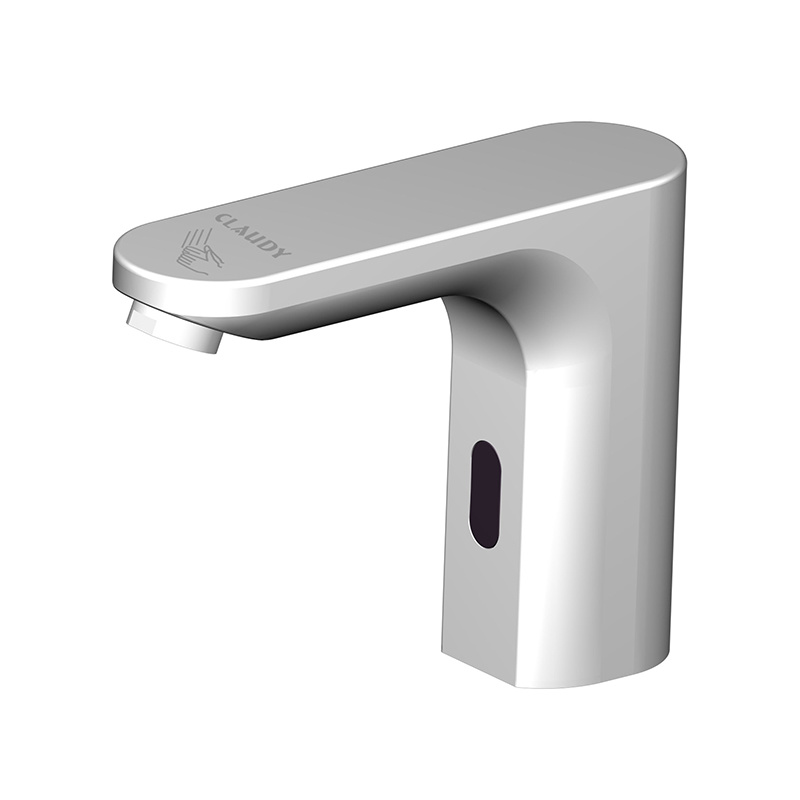
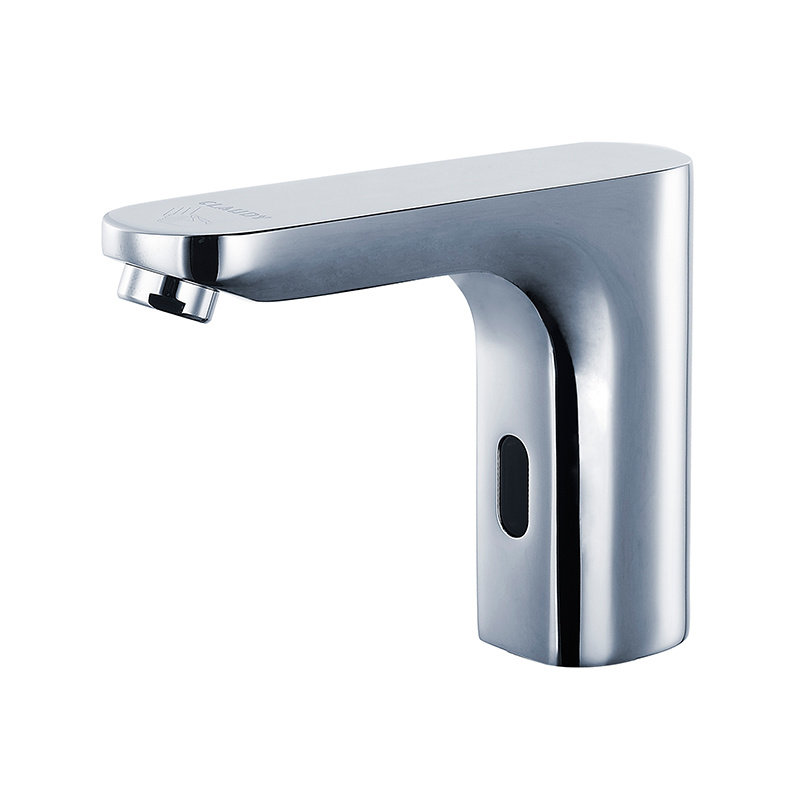
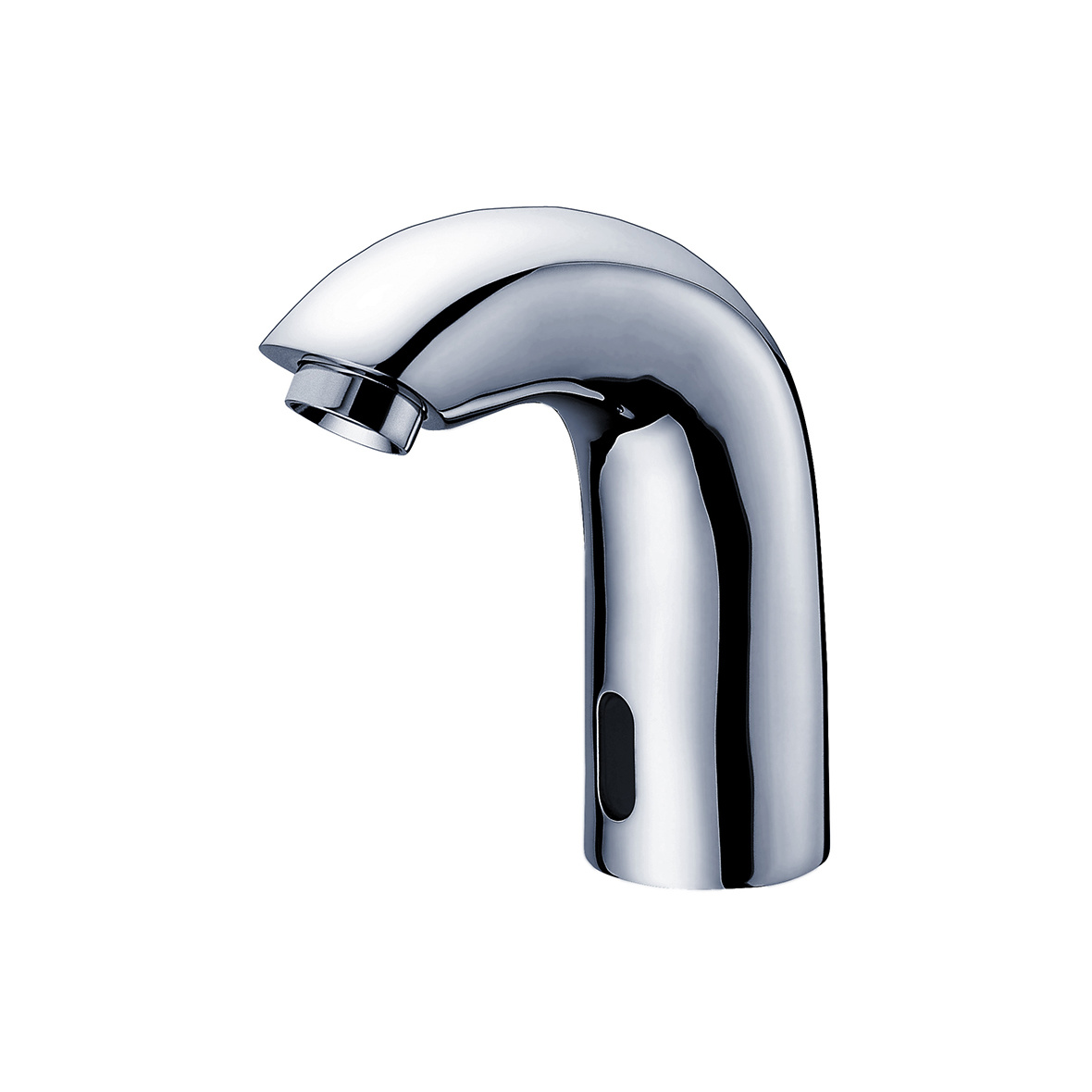
In today's fast-paced world, technology has permeated every aspect of our lives, including our bathrooms. One such advancement is the sensor faucet, which offers a range of benefits over traditional faucets. This article explores the advantages of incorporating a sensor faucet into your bathroom sink and why it is a smart choice for modern homes.
## 2. Enhanced Hygiene and Reduced Germs
One of the primary benefits of using a sensor faucet in your bathroom sink is improved hygiene. Traditional faucets require physical contact to turn the water on or off, leaving them susceptible to the accumulation of germs and bacteria. A sensor faucet eliminates this issue by utilizing advanced infrared technology, which detects motion and activates the water flow without the need to touch the faucet. This touchless operation reduces the transmission of germs, promoting a cleaner and healthier environment.
## 3. Water Conservation
Water conservation is a pressing concern in today's world. Sensor faucets play a crucial role in addressing this issue. These faucets are designed to deliver water only when needed, eliminating the risk of unintentional wastage. The sensors detect when hands are placed under the faucet and automatically shut off the water flow when they are removed. This feature ensures that water is not wasted during activities such as brushing teeth or washing hands, leading to significant water savings over time.
## 4. Convenience and Accessibility
Sensor faucets offer unparalleled convenience and accessibility in the bathroom. Their touchless operation makes them ideal for individuals with limited mobility, children, and the elderly. The automatic water flow allows for easy and effortless use, eliminating the need to twist or turn knobs. Additionally, sensor faucets often come with adjustable settings, allowing users to customize water temperature and flow, further enhancing their usability.
## 5. Energy Efficiency
In addition to water conservation, sensor faucets also contribute to energy efficiency. Traditional faucets rely on manual operation, leading to instances where water is left running longer than necessary. This not only wastes water but also increases energy consumption for heating the water. With sensor faucets, water is only dispensed when needed, reducing energy usage and promoting sustainable practices.
## 6. Cost-Effectiveness
While sensor faucets may have a higher upfront cost compared to traditional faucets, they offer long-term cost savings. The water conservation and energy efficiency features of sensor faucets translate into reduced utility bills over time. Additionally, sensor faucets have a longer lifespan due to their durable construction, resulting in fewer replacements and maintenance costs.
## 7. Easy Installation and Maintenance
Installing a sensor faucet in your bathroom sink is a straightforward process. Most sensor faucets come with detailed instructions and require minimal tools for installation. The maintenance of sensor faucets is also hassle-free, as they have fewer moving parts compared to traditional faucets. Regular cleaning and occasional battery changes are usually all that is needed to keep them in optimal working condition.
## 8. Stylish and Modern Design
Sensor faucets are not only functional but also aesthetically pleasing. They come in a range of contemporary designs and finishes to complement any bathroom decor. Whether you prefer a sleek and minimalist look or a more traditional style, there is a sensor faucet available to suit your preferences. Investing in a sensor faucet adds a touch of modernity and sophistication to your bathroom space.
## 9. Frequently Asked Questions
### How does a sensor faucet work?
Sensor faucets utilize infrared sensors to detect motion and activate the water flow. When hands are placed under the faucet, the sensors detect the movement and initiate water dispensation. Once the hands are removed, the sensors automatically shut off the water flow.
### Can a sensor faucet be manually operated as well?
Yes, most sensor faucets also come with manual override options. This allows users to manually control the water flow if necessary, providing flexibility and convenience.
### Are sensor faucets suitable for all types of bathroom sinks?
Sensor faucets are compatible with most standard bathroom sinks. However, it is recommended to check the specifications of the faucet to ensure compatibility before installation.
### Are sensor faucets more expensive than traditional faucets?
Sensor faucets may have a higher upfront cost compared to traditional faucets. However, their long-term cost savings and benefits outweigh the initial investment.
### Can a sensor faucet be installed in an existing bathroom sink?
Yes, sensor faucets can be installed in existing bathroom sinks with minimal modifications. It is advisable to consult a professional plumber for proper installation.
## 10. Conclusion
Incorporating a sensor faucet into your bathroom sink offers numerous benefits, including enhanced hygiene, water conservation, convenience, energy efficiency, and cost-effectiveness. The touchless operation and modern design of sensor faucets make them a valuable addition to any bathroom. By opting for a sensor faucet, you not only elevate the functionality and style of your bathroom but also contribute to a healthier and more sustainable environment.
LATEST INFORMATION

-
Email: info@claudy.com.cn
-
Wechat/WhatSapp: 13822778836
Add:No. 5, Taihong Middle Road, Shengfeng Industrial Zone, Xiaolan Town, Zhongshan City
MESSAGES